The Evel Knievel Experience in Vegas - One Hell of a Ride
Key Points:
- Although Evel Knievel's career predates me, I loved the museum experience.
- Adult admission starts at $35, and it takes 1-2 hours to get through.
- The staff rocks, the artifacts are *amazing*, and the storytelling is top-notch.
The Evel Knievel Experience opened in the Las Vegas Arts District in June 2027 and uses 100+ artifacts spread across 75+ exhibits to tell the story of 212 jumps... and 20 crashes.
Although Evel's fame predates me (I was born in 1985), I was familiar with his career, especially the Caesars Palace jump.
A Vegas history dweeb, I figured the museum would be a fun diversion.
The Experience does a great job of telling the story, even if you're coming in blind, as I was.
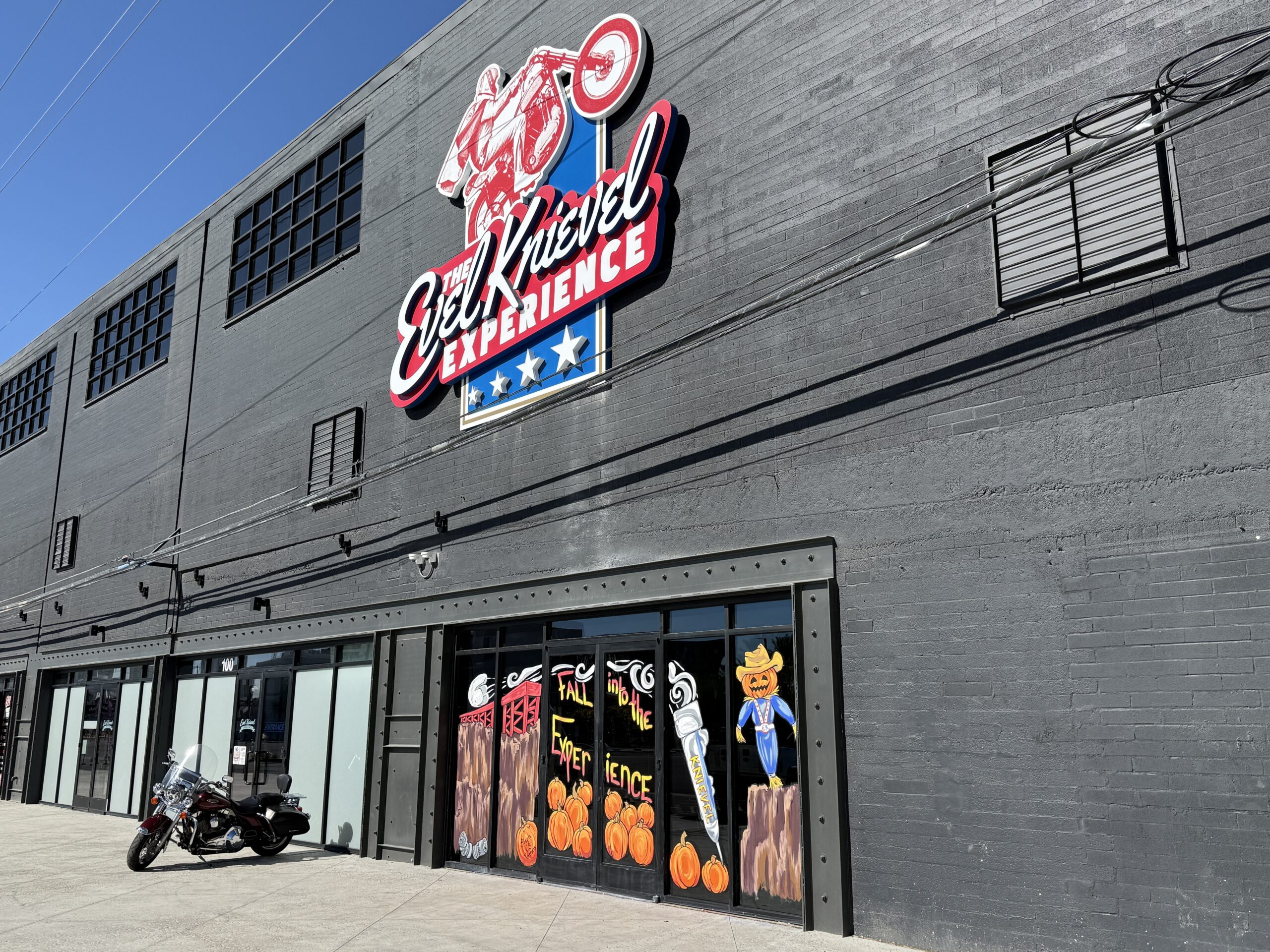
The experience is broken into 2 parts.
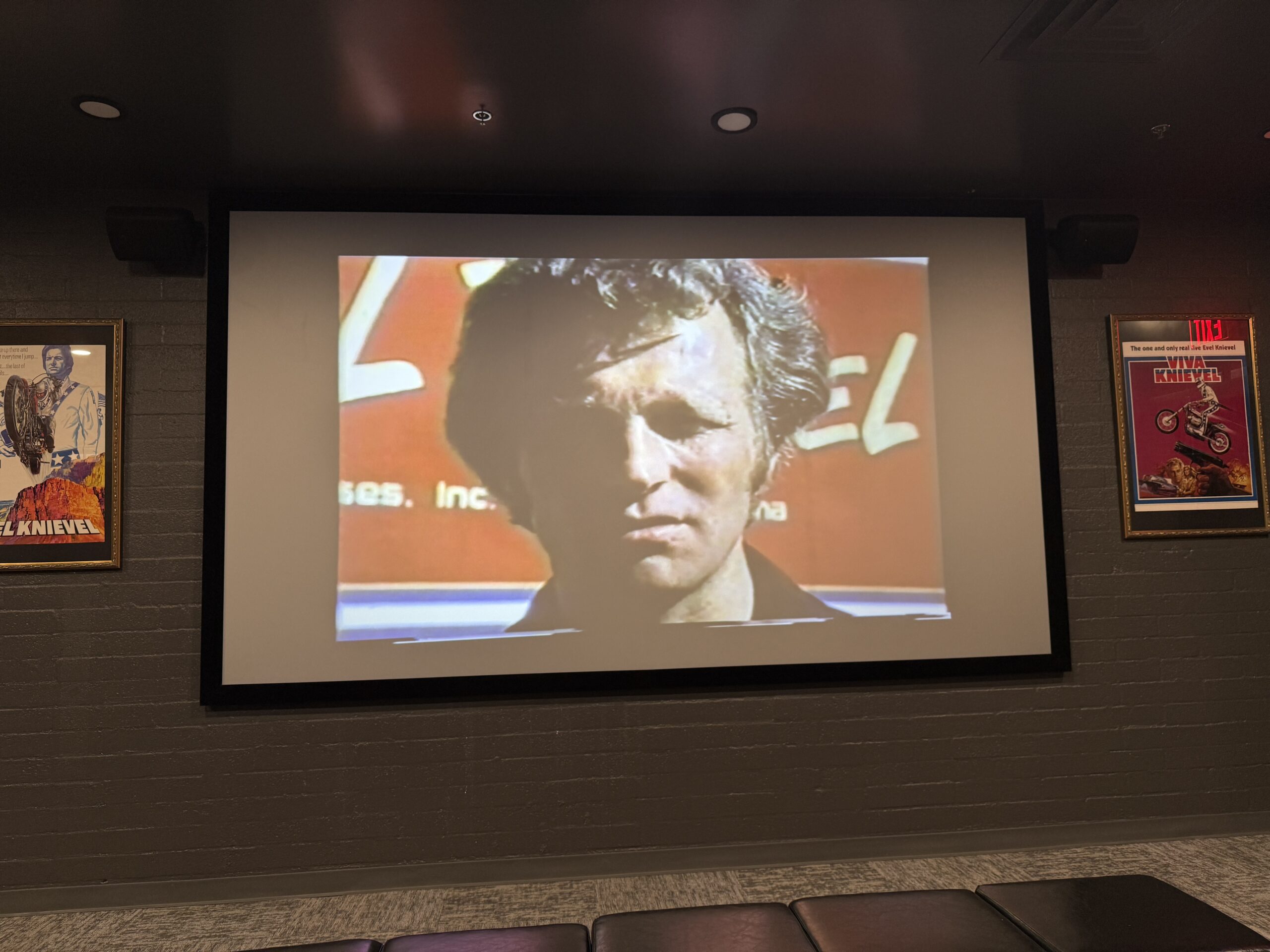
Part 1 tells the story, starting with a short video that details his childhood and the life that led to his career.
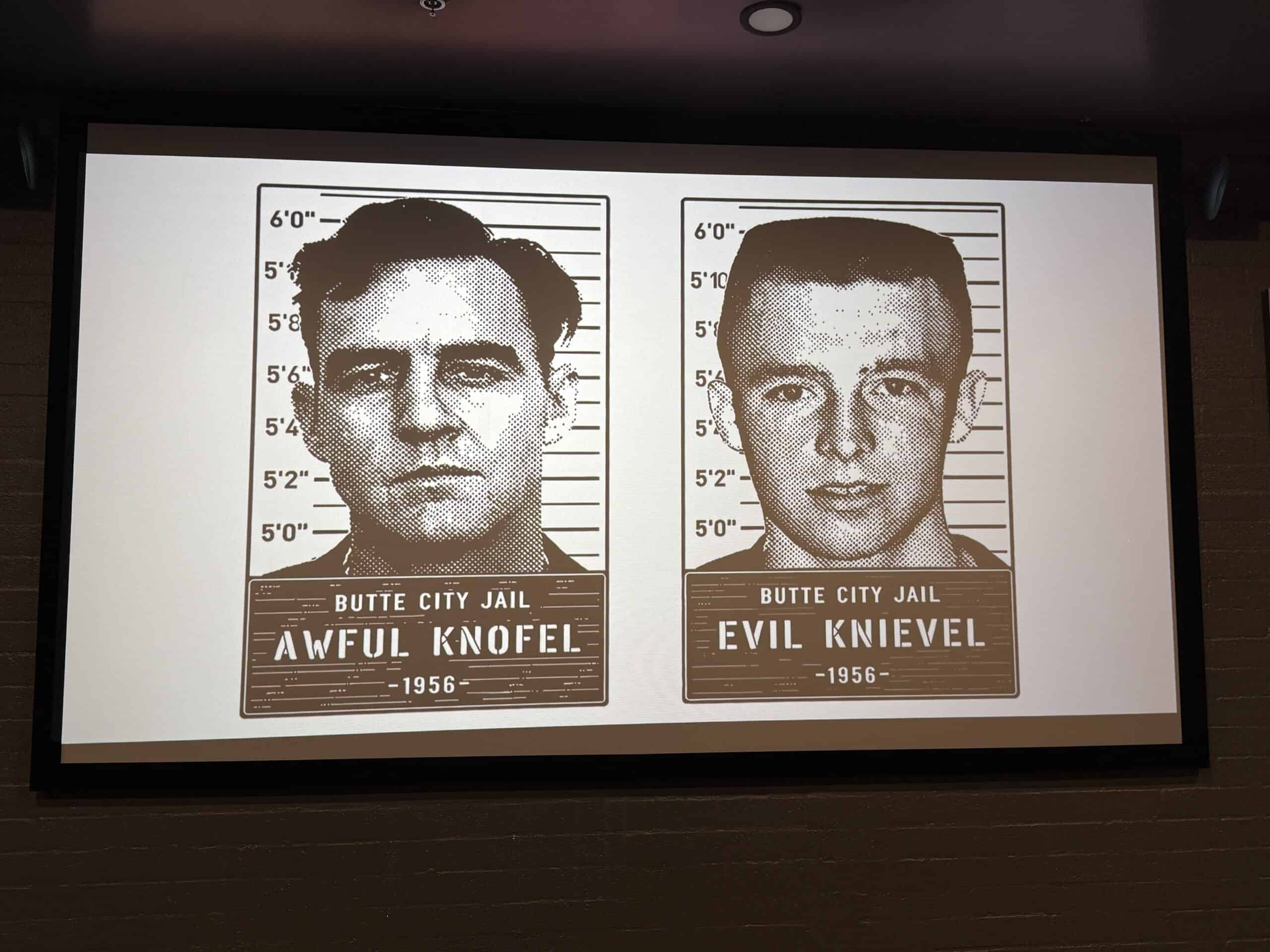
Bobby was his real name, and he was dubbed Evil Knievel after he was locked up with a well-known local troublemaker, William Knofel, commonly referred to as "Awful Knofel."
The guards on duty that night wanted to give Knievel a similar nickname, and went with "Evil Knievel", which Bobby later changed to Evel.
After the short film, you're released into the museum, which tells Evel Knievel's career story chronologically, from the mid-1960s through the end.
Like other outstanding museums in Vegas, they use graphics, video, placards, props, and artifacts to tell the story in a way that isn't boring AF.
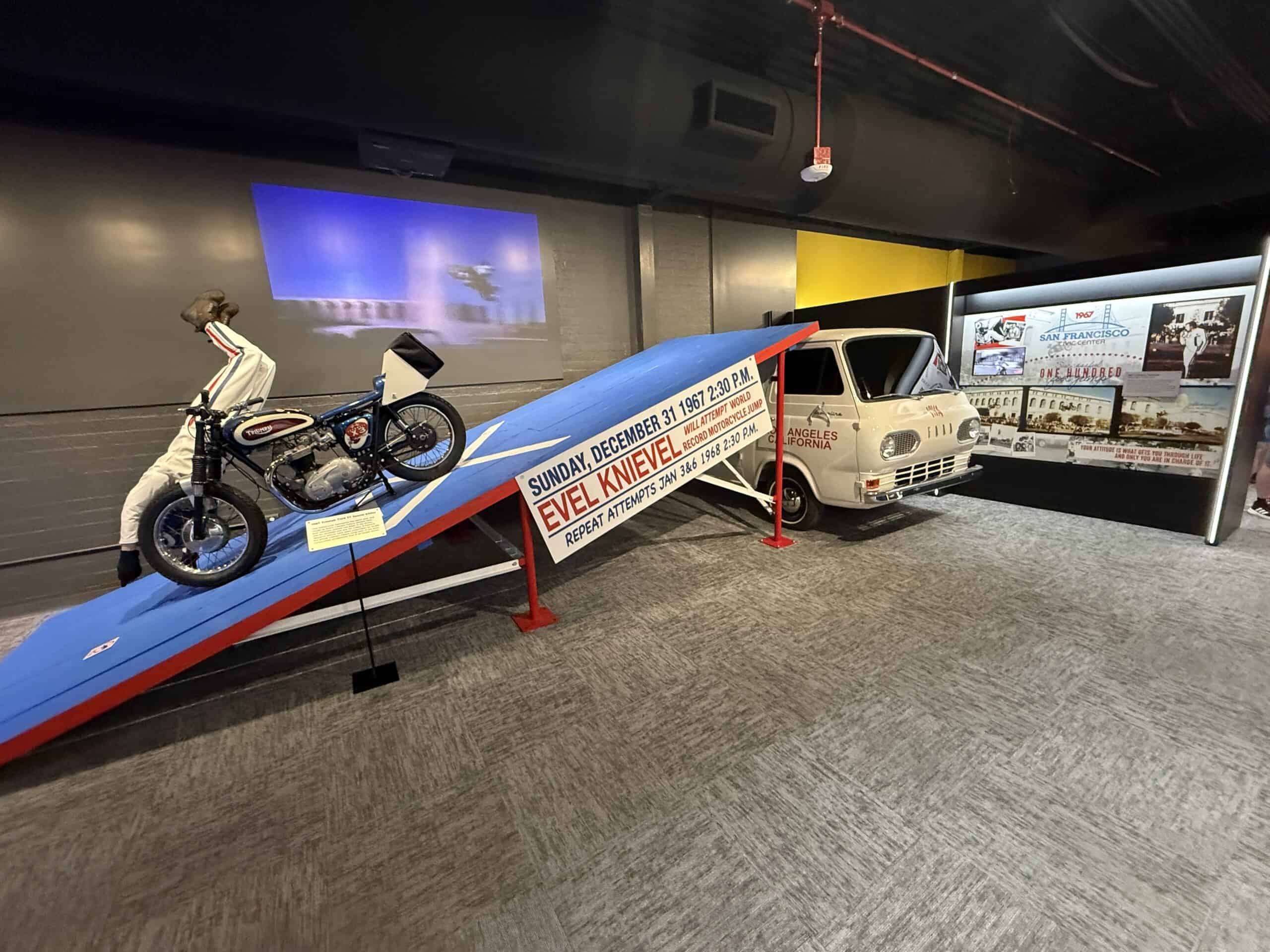
They looped videos of iconic jumps, including the 1967 fountain jump at Caesars Palace.
What I didn't know about the ill-fated attempt was how hard it was to get Caesars CEO Jay Sarno to agree to let it happen.
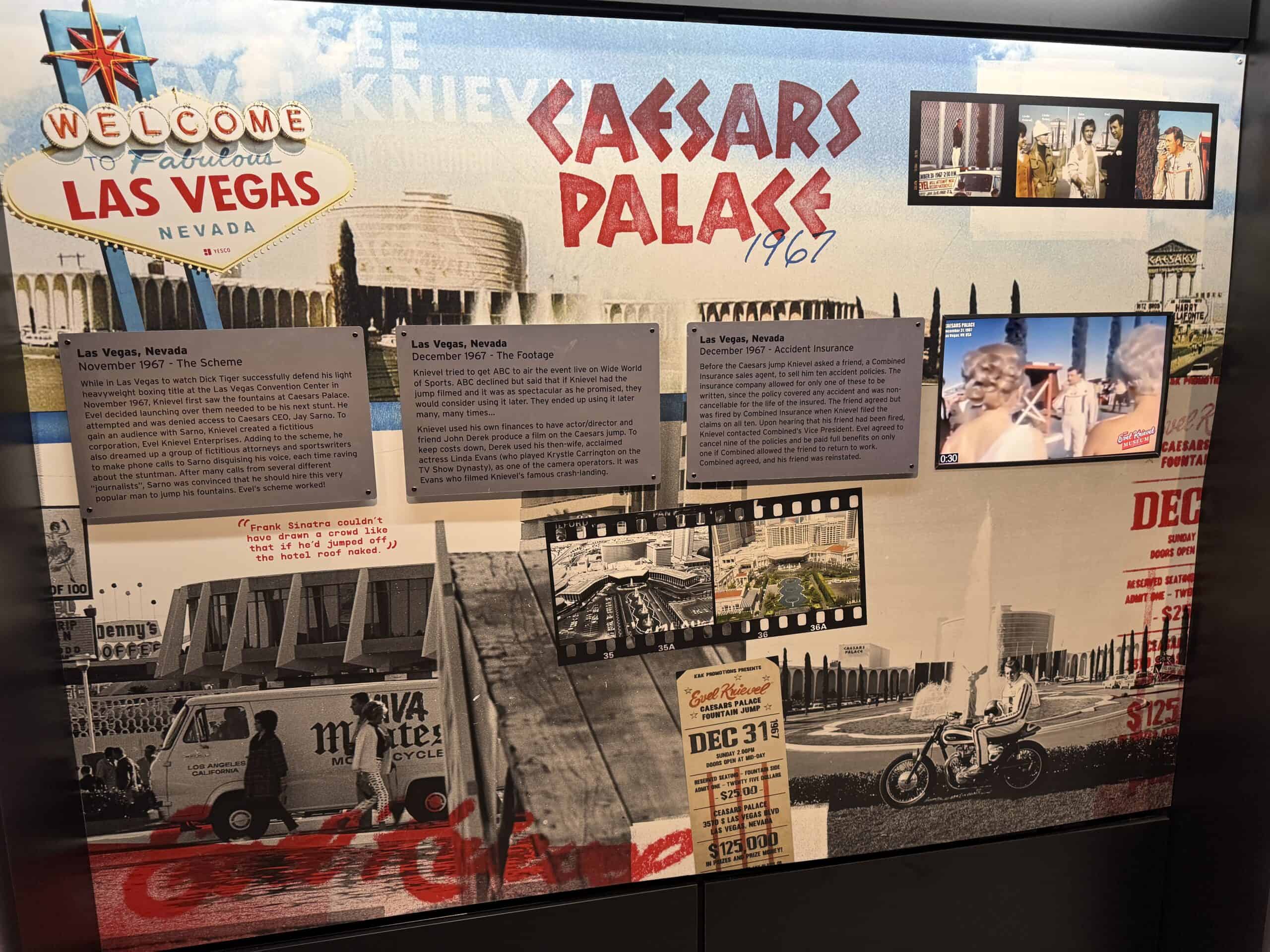
Evel had to work the phones, impersonating fictitious attorneys & sportswriters, eventually convincing Sarno to go through with it.
Knievel didn't stick the landing, skidding 150 feet into the Dunes parking lot.
While Evel's injuries were severe, the reported 29-day coma was exaggerated for additional publicity.
Per the placard at the museum, his friend "Saw him two days after the jump. He was awake".
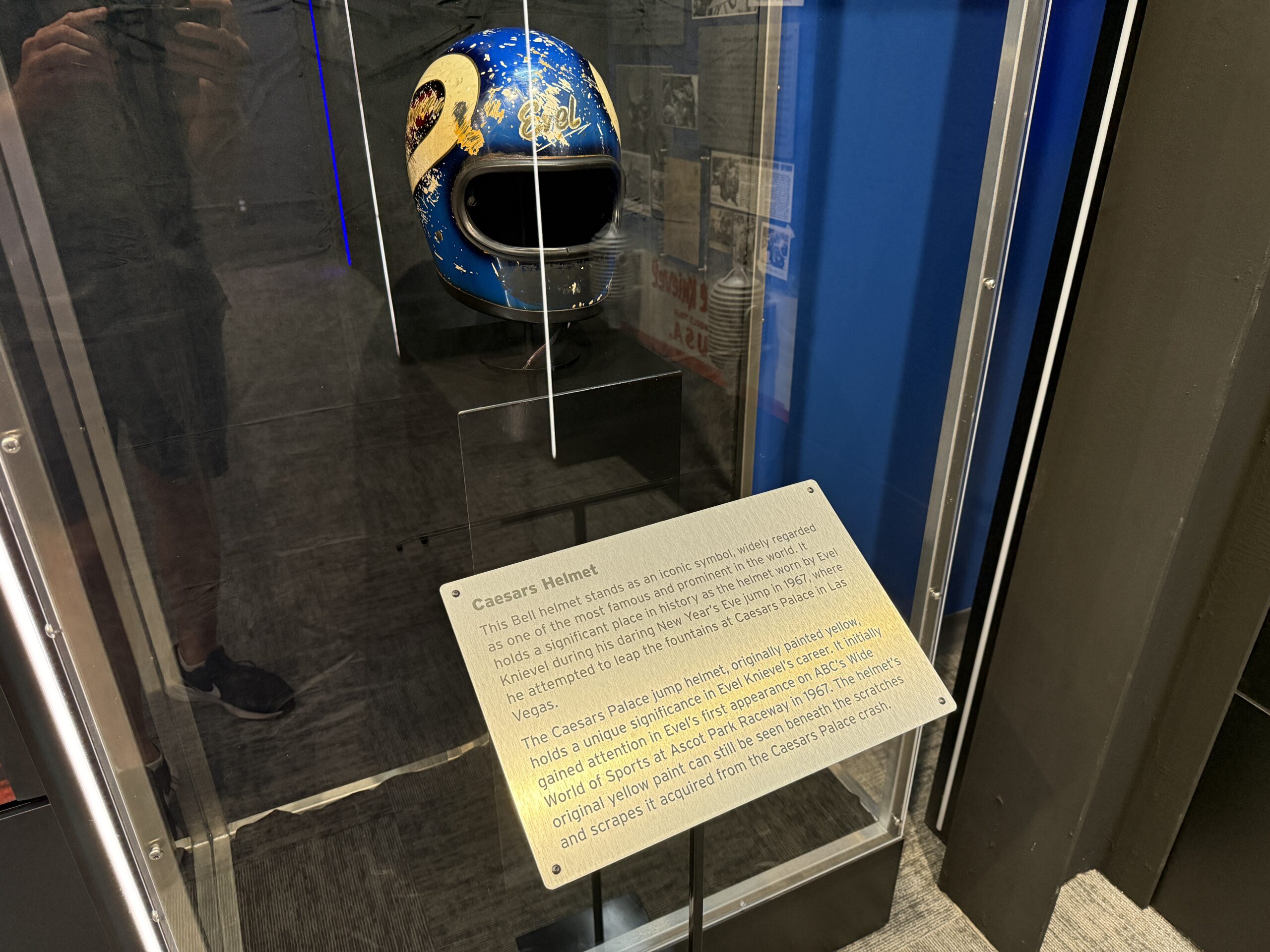
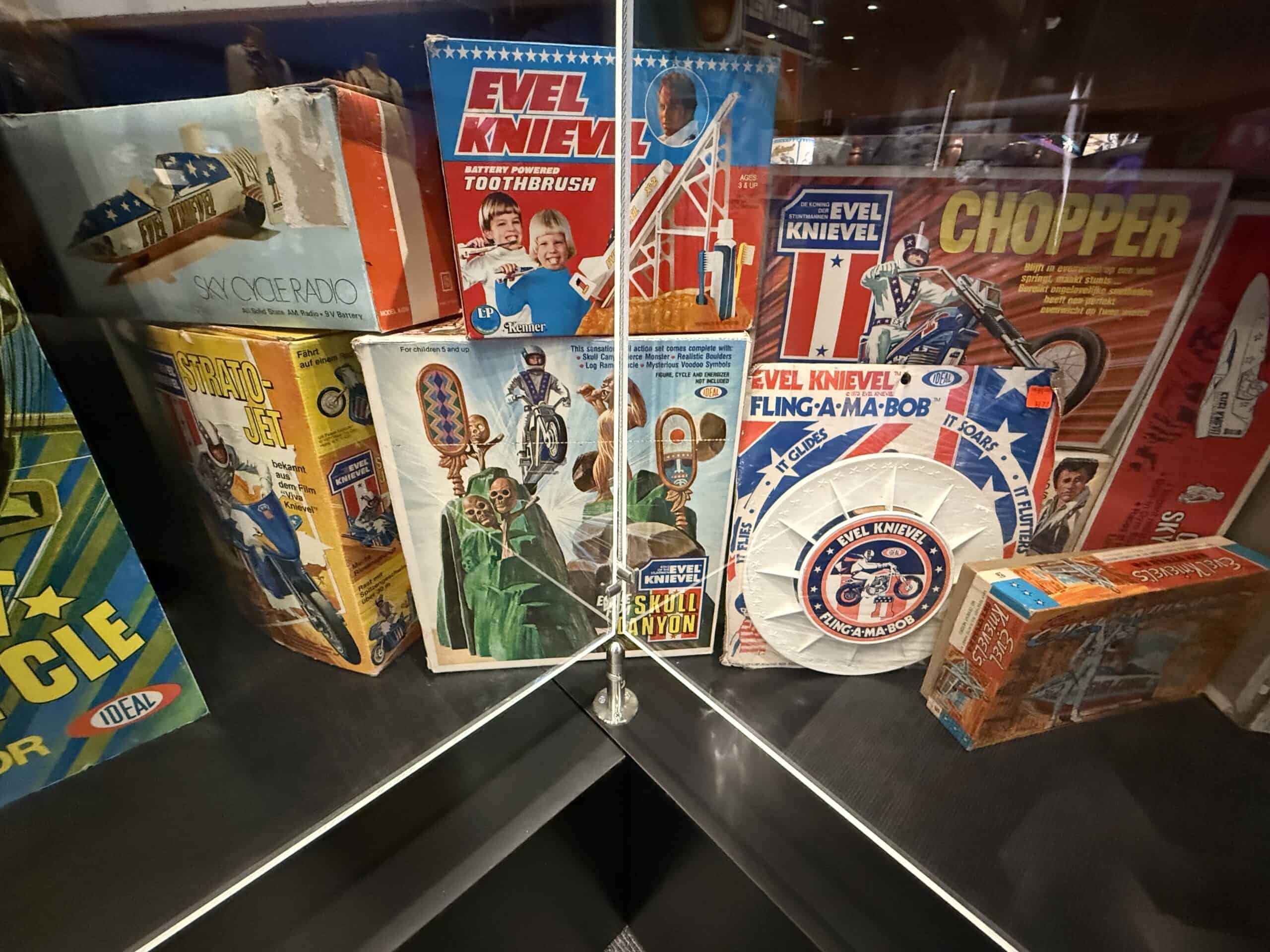
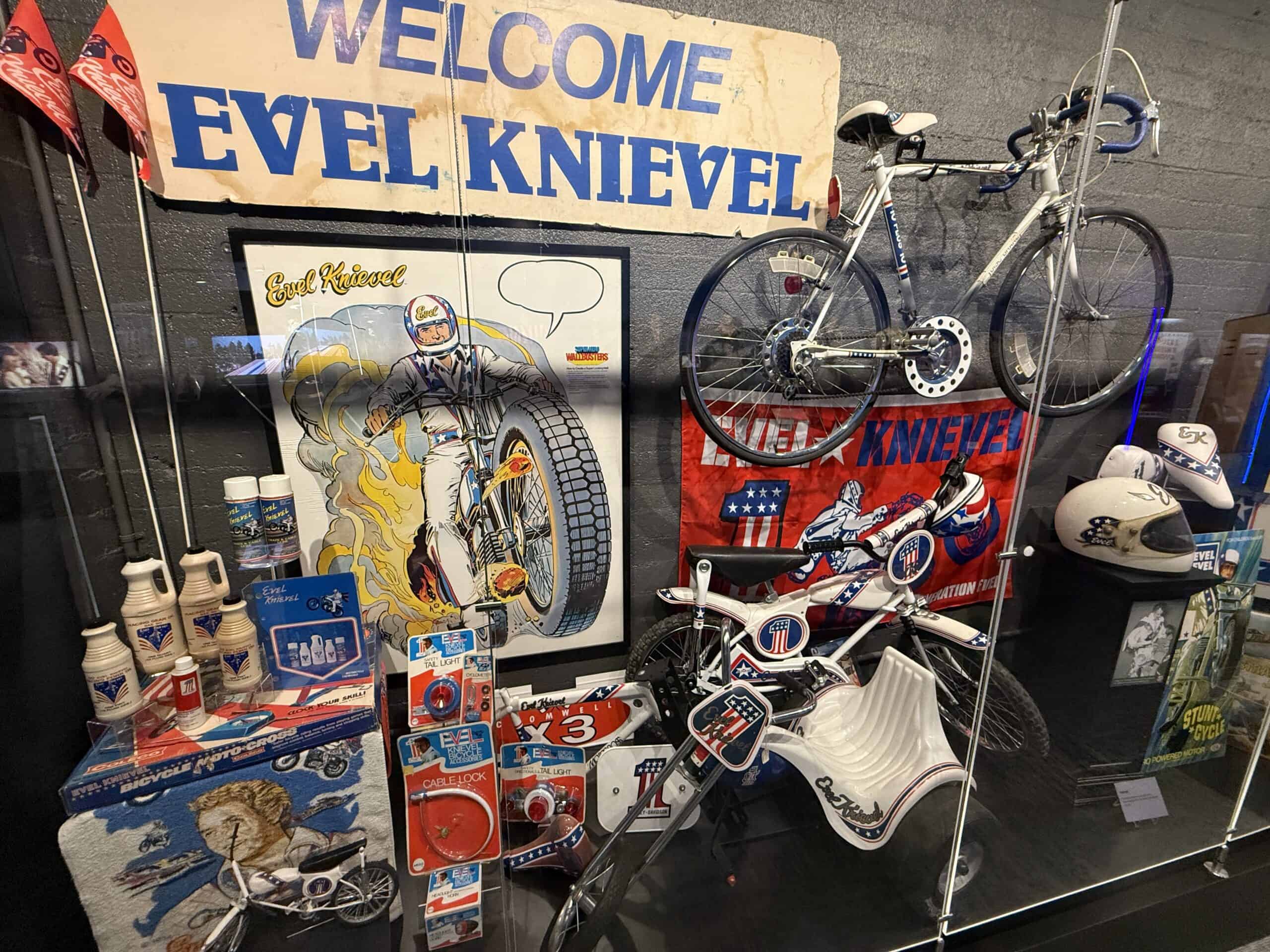
Artifacts were abundant, including handwritten childhood notes, signed checks, suits, and motorcycles.
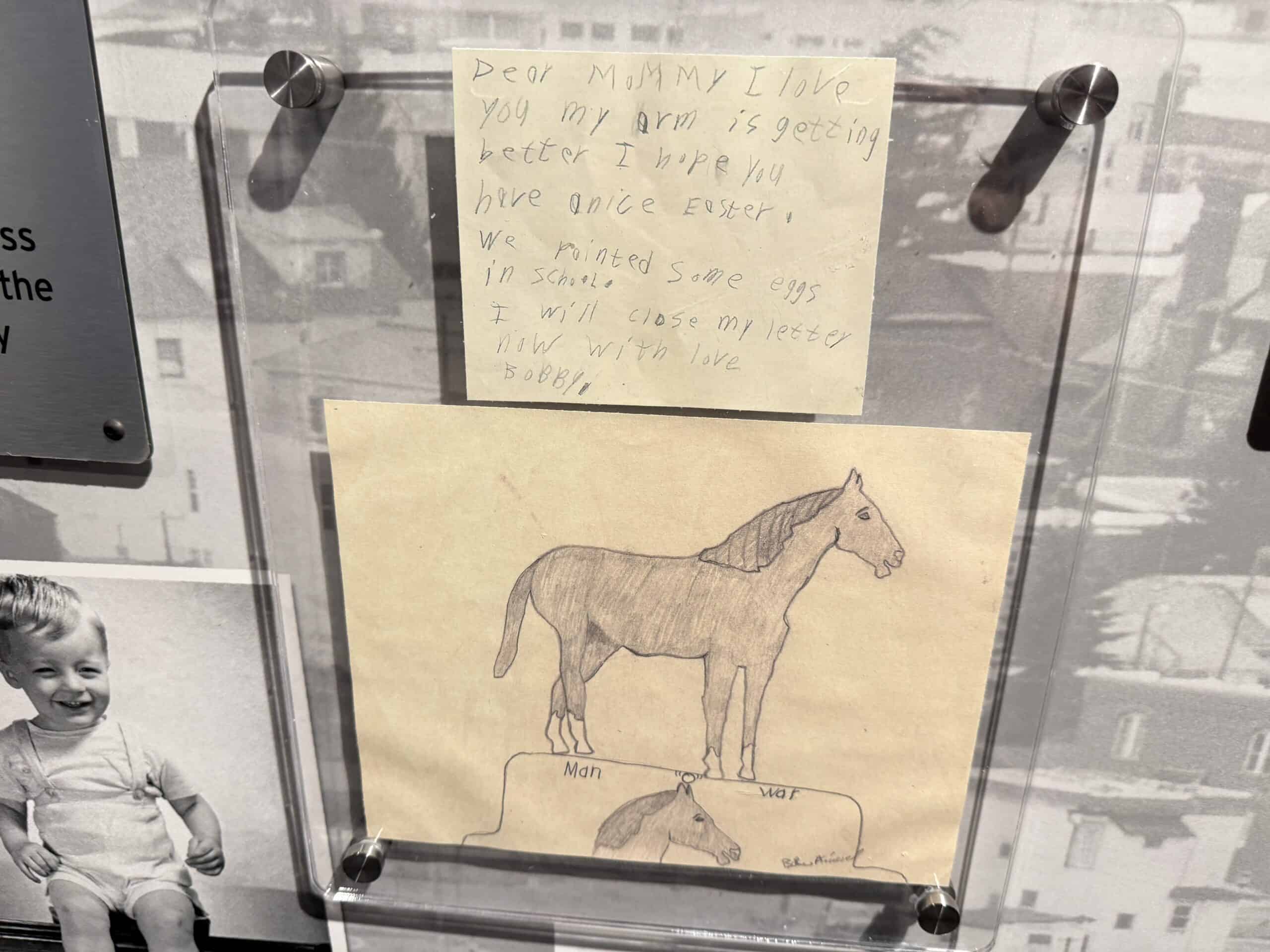
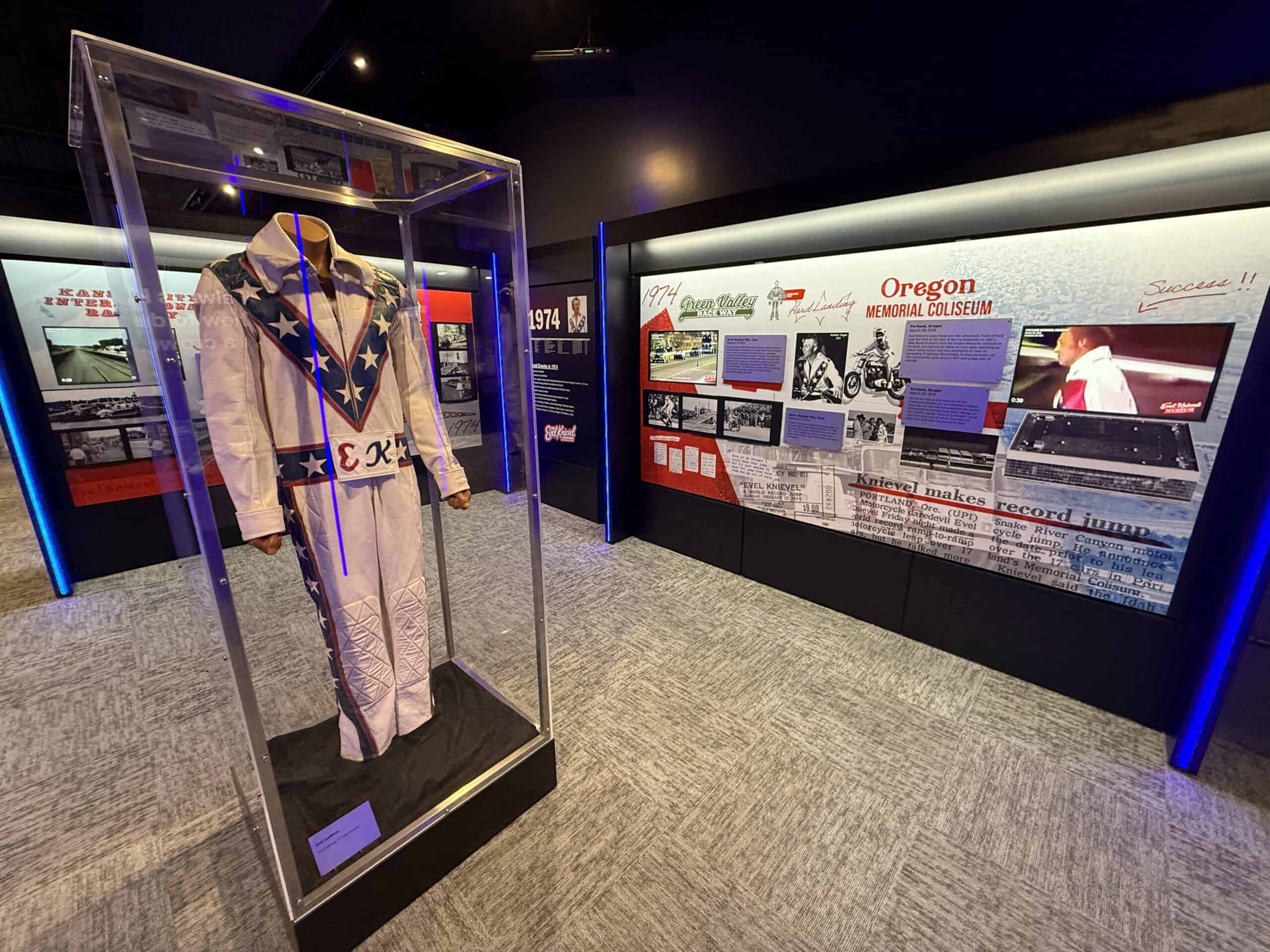
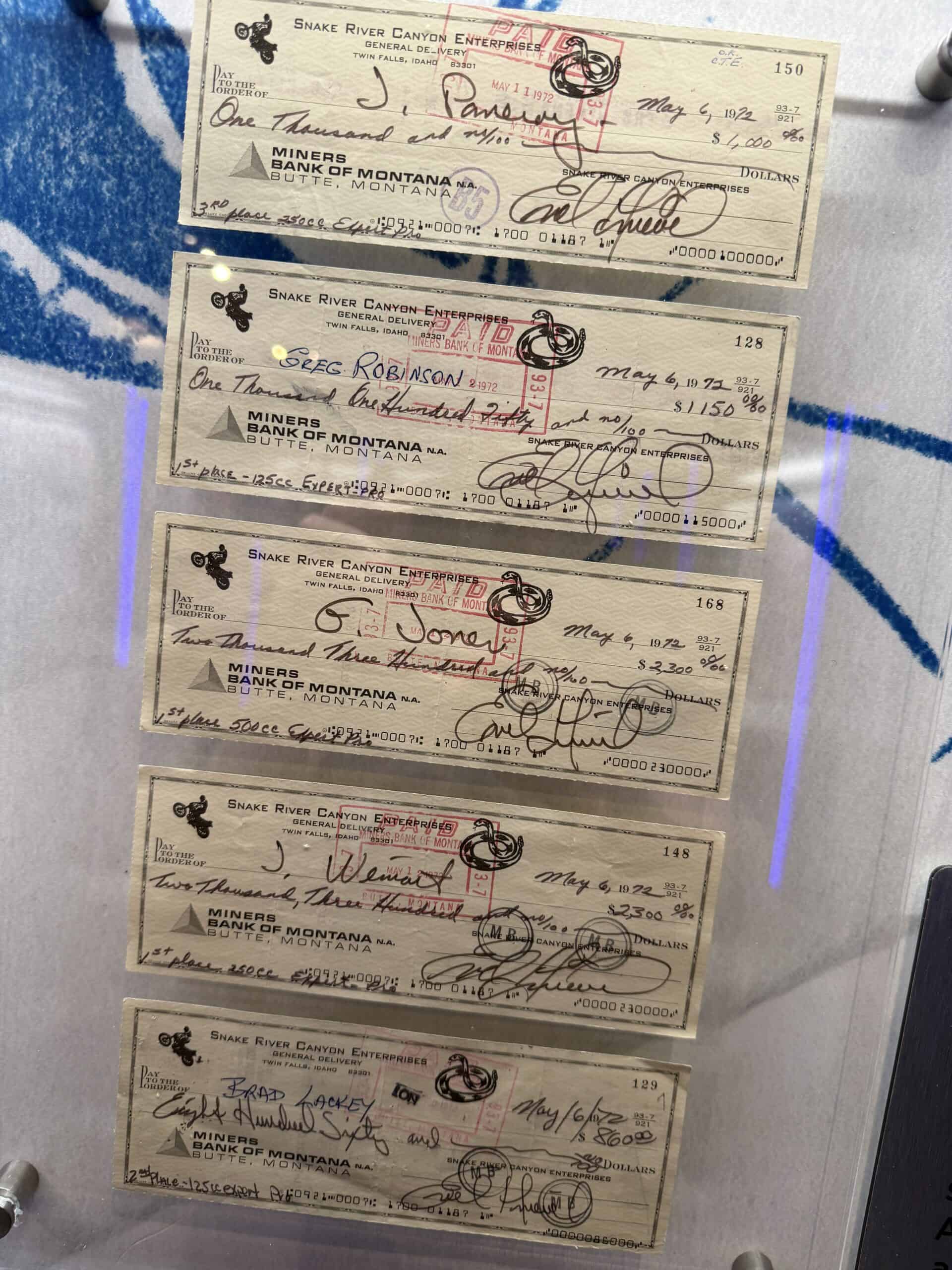
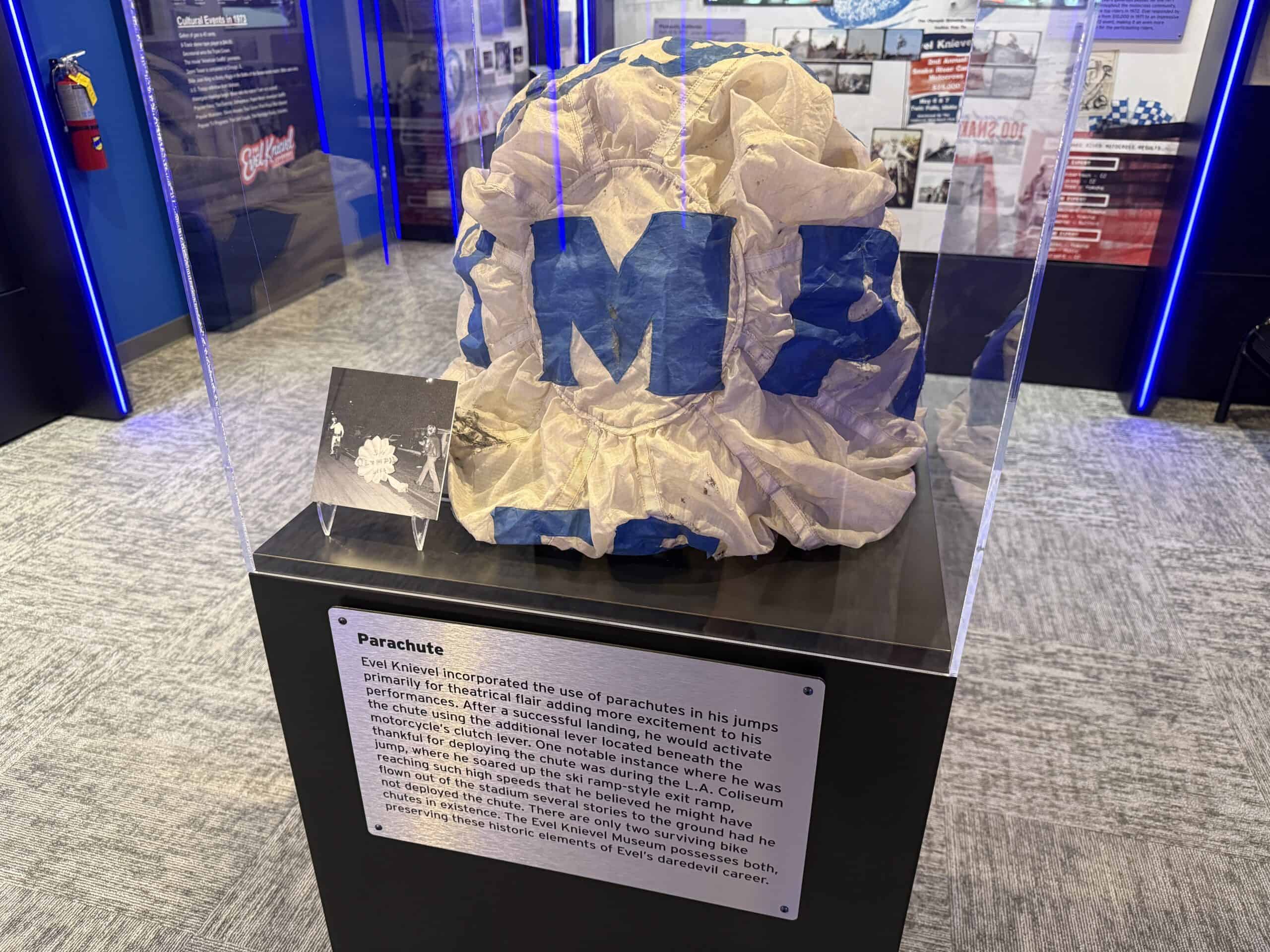
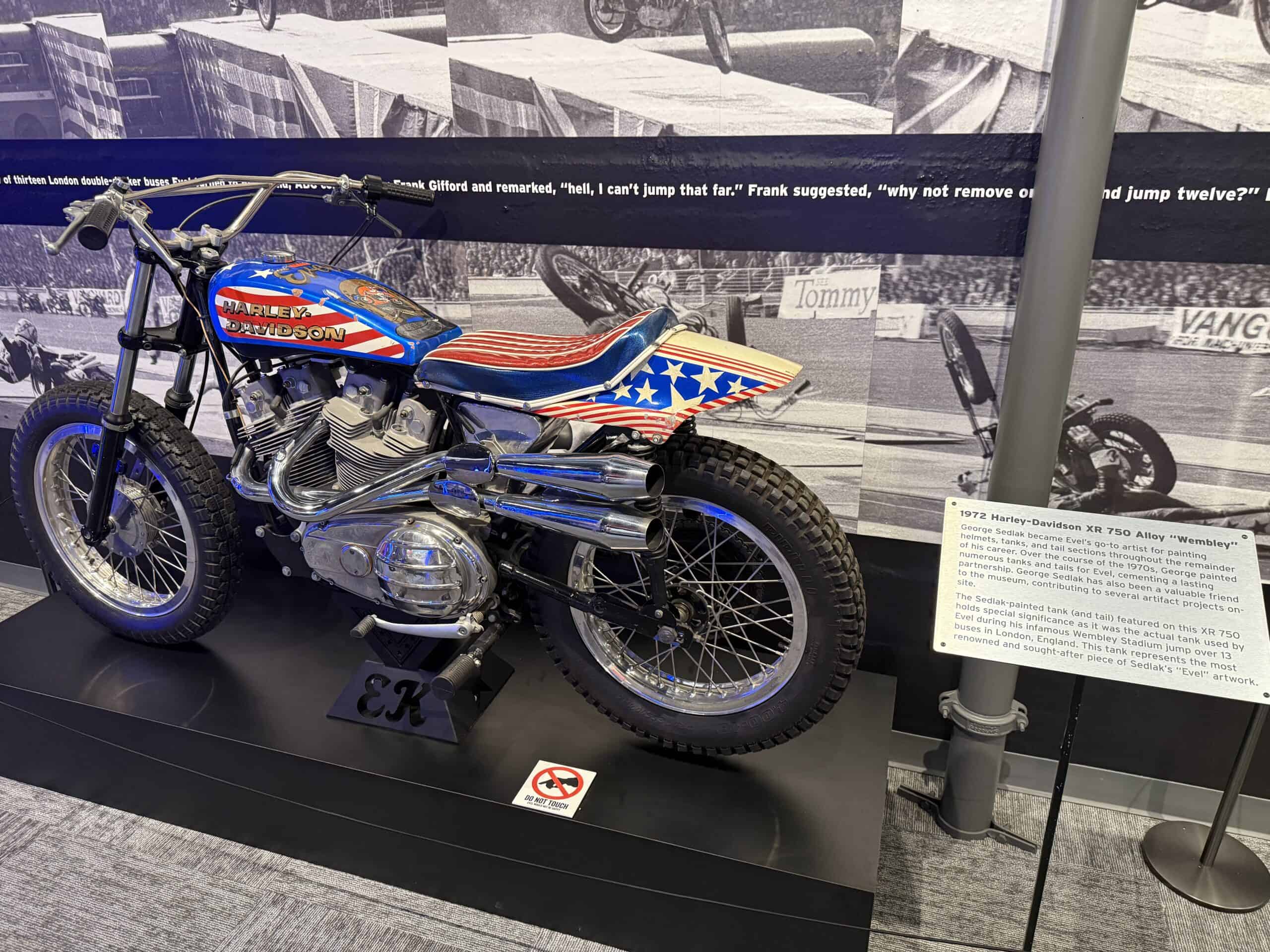
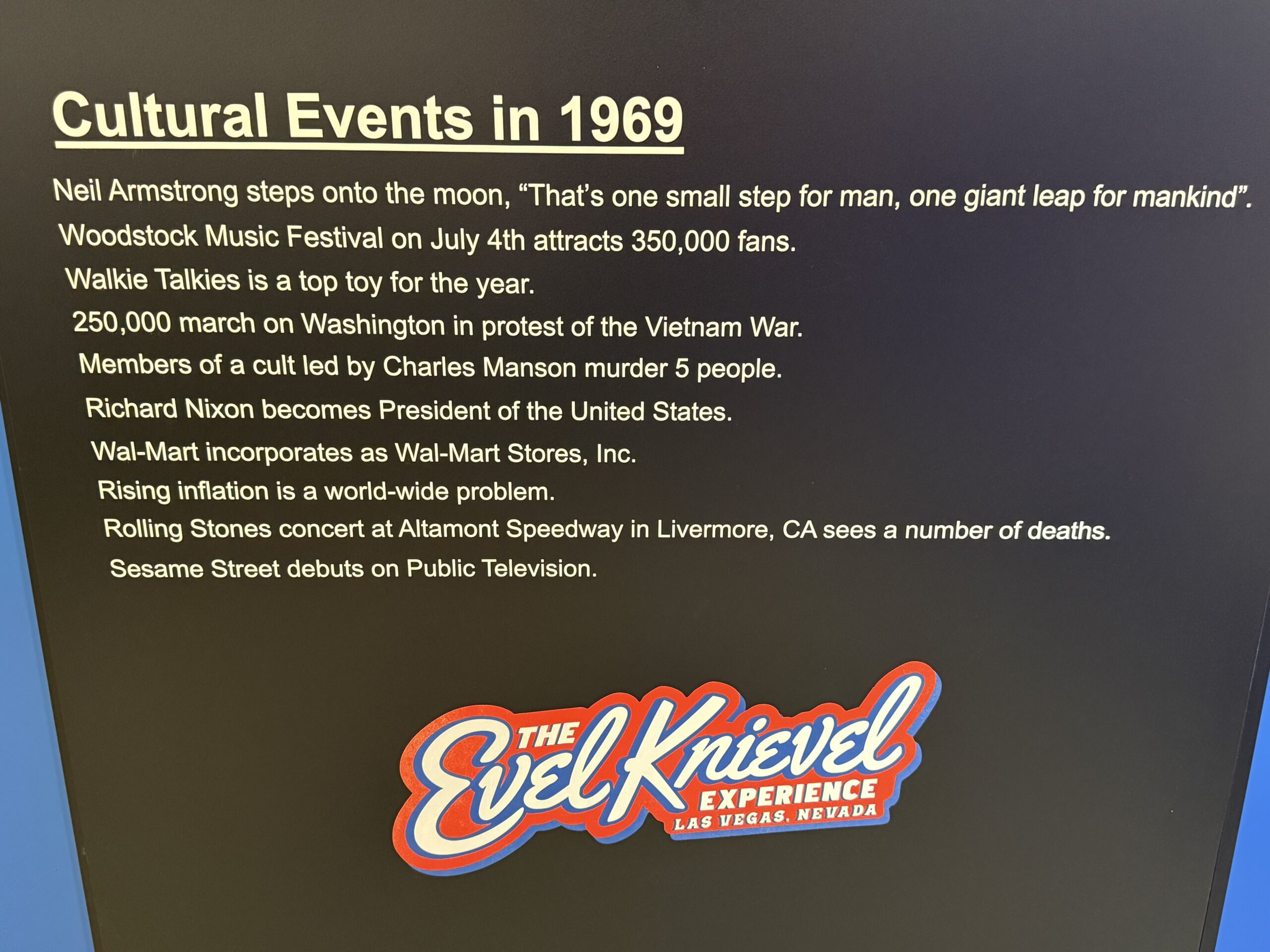
A nice addition: The museum added cultural-event placards to many exhibits, which was an interesting window into what was happening in the world at the time.
One aspect of Evel's career I was completely oblivious to was his attempted Snake River Canyon jump in the Skycycle.
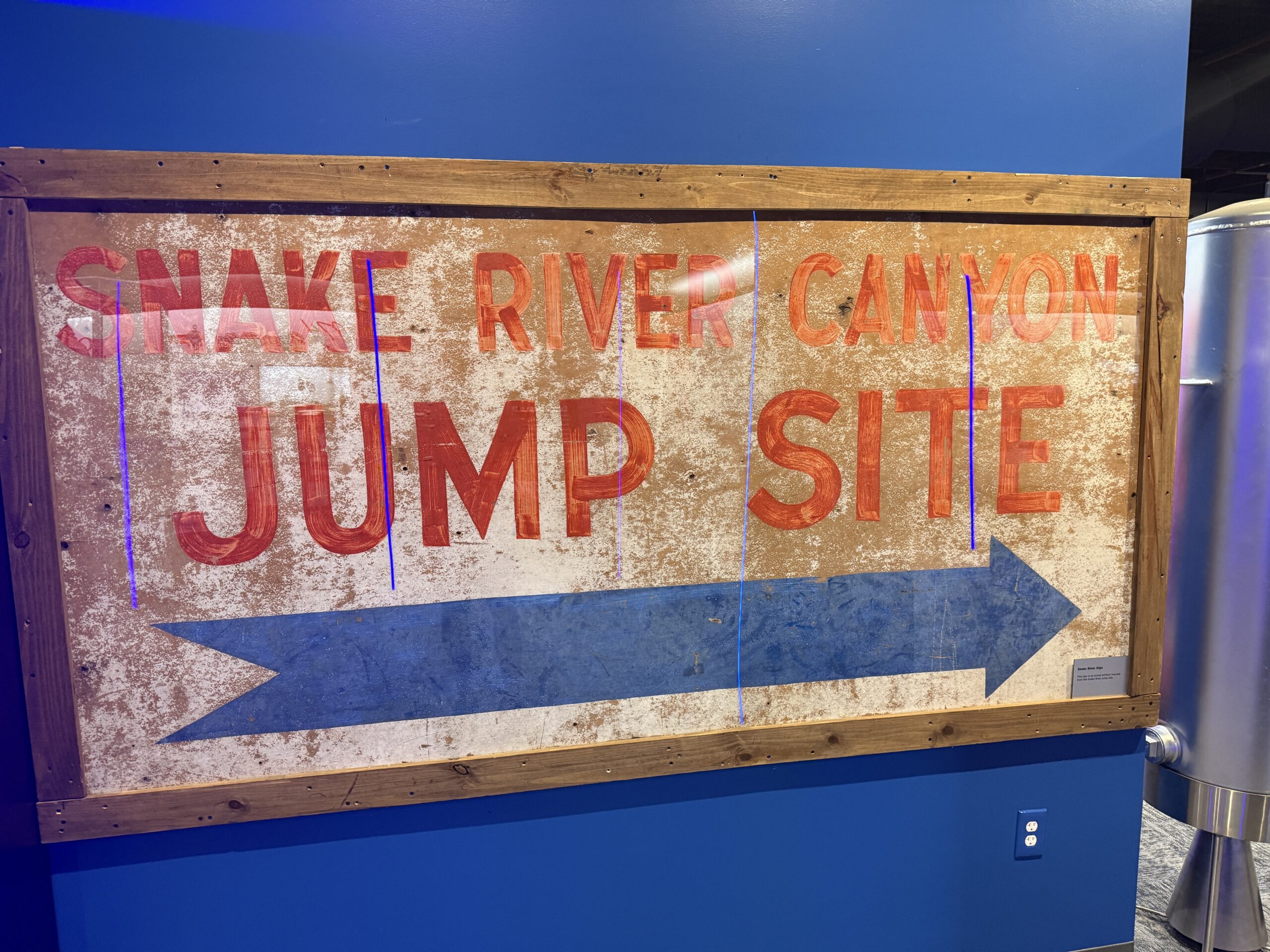
The museum did a nice job of articulating Evel's pre-jump apprehension, the premature parachute deployment, and the media scrutiny that followed.
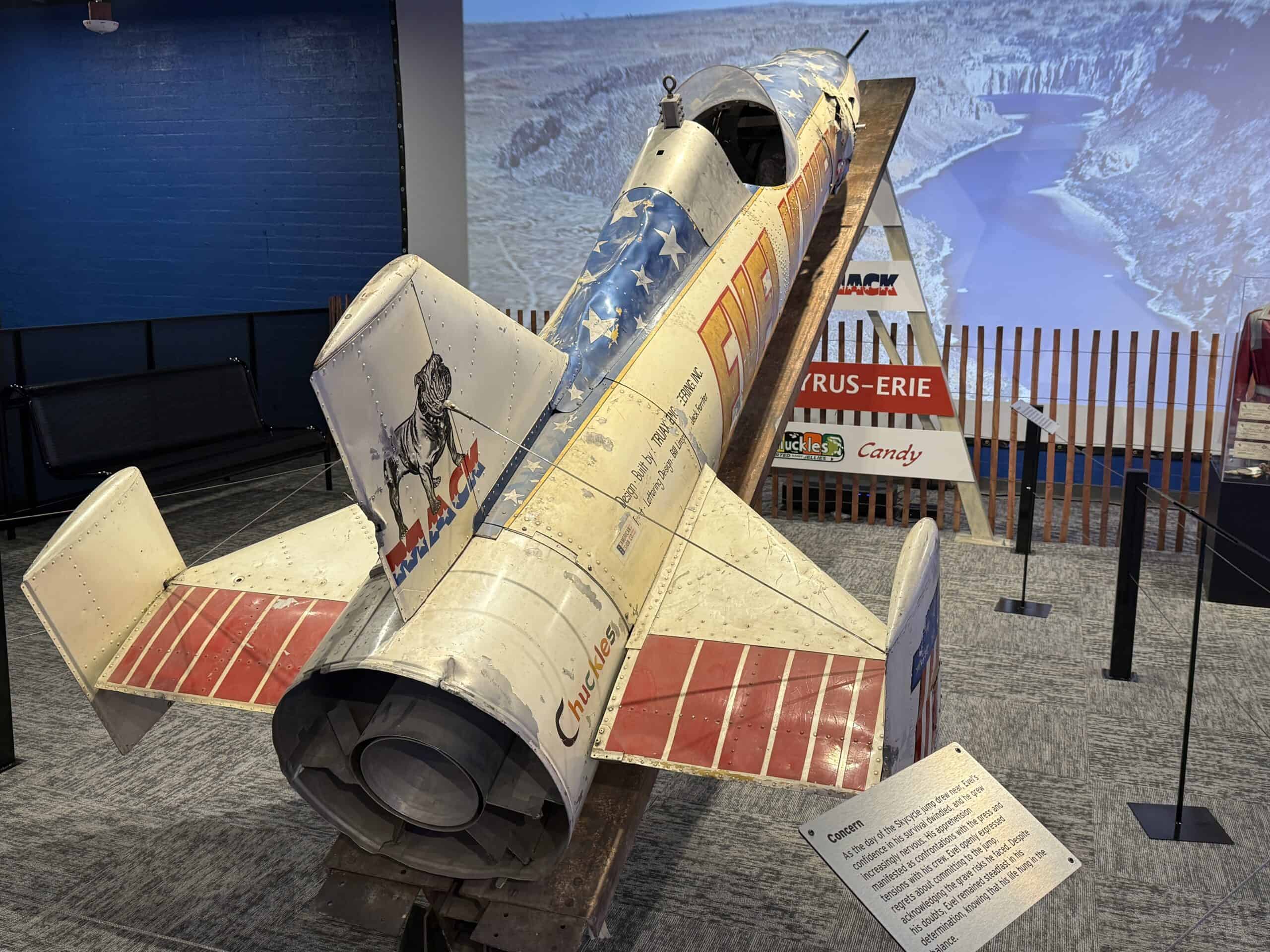
A placard said, "The undeniable fact is this: Evel sped off the ramp at over 300 MPH, soaring high into the sky. He successfully cleared the far side of the canyon but was pushed back by the wind during descent. That's the story."
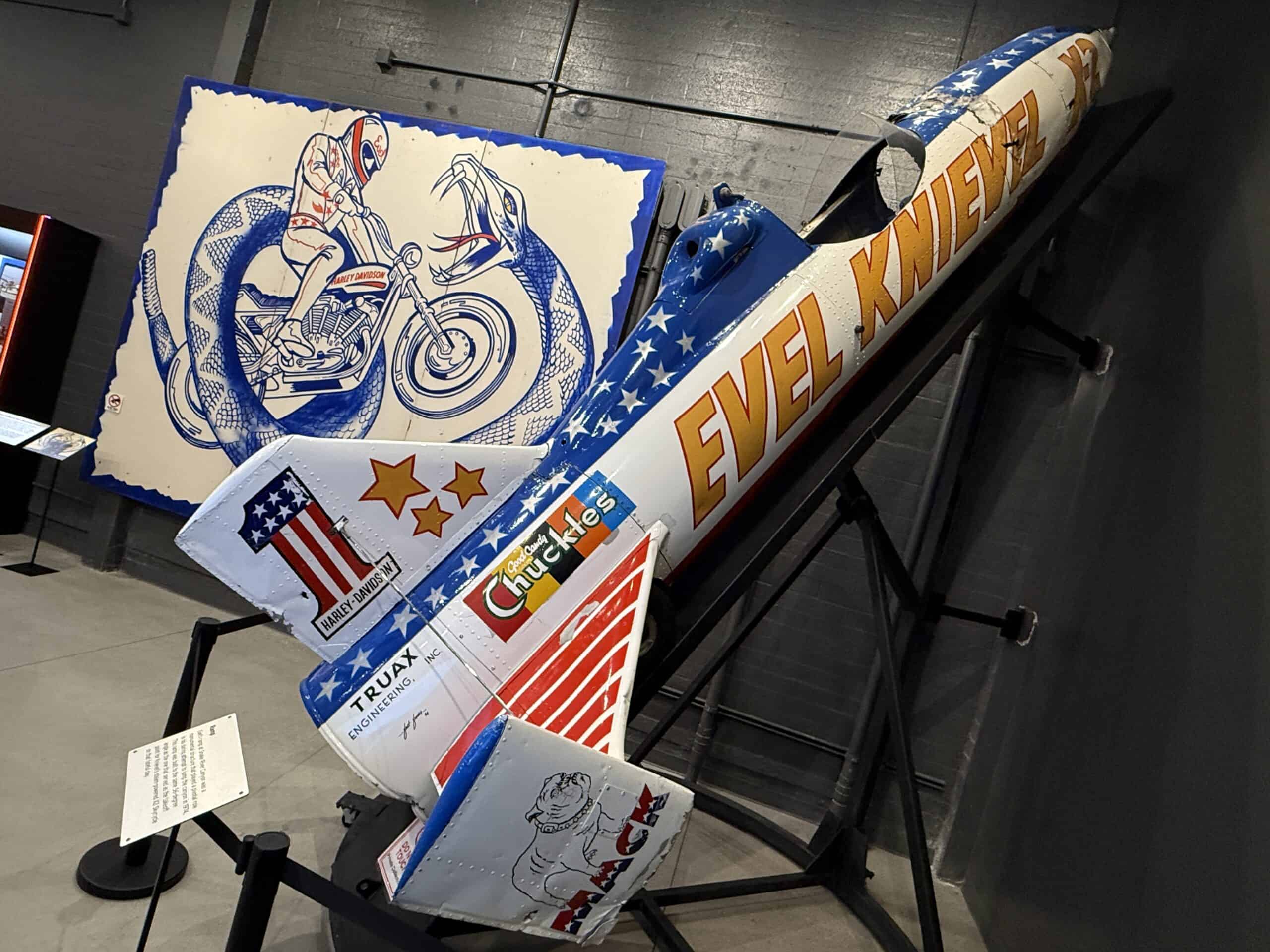
Both Skycycles, a test unit and the one used in the jump, are on display.
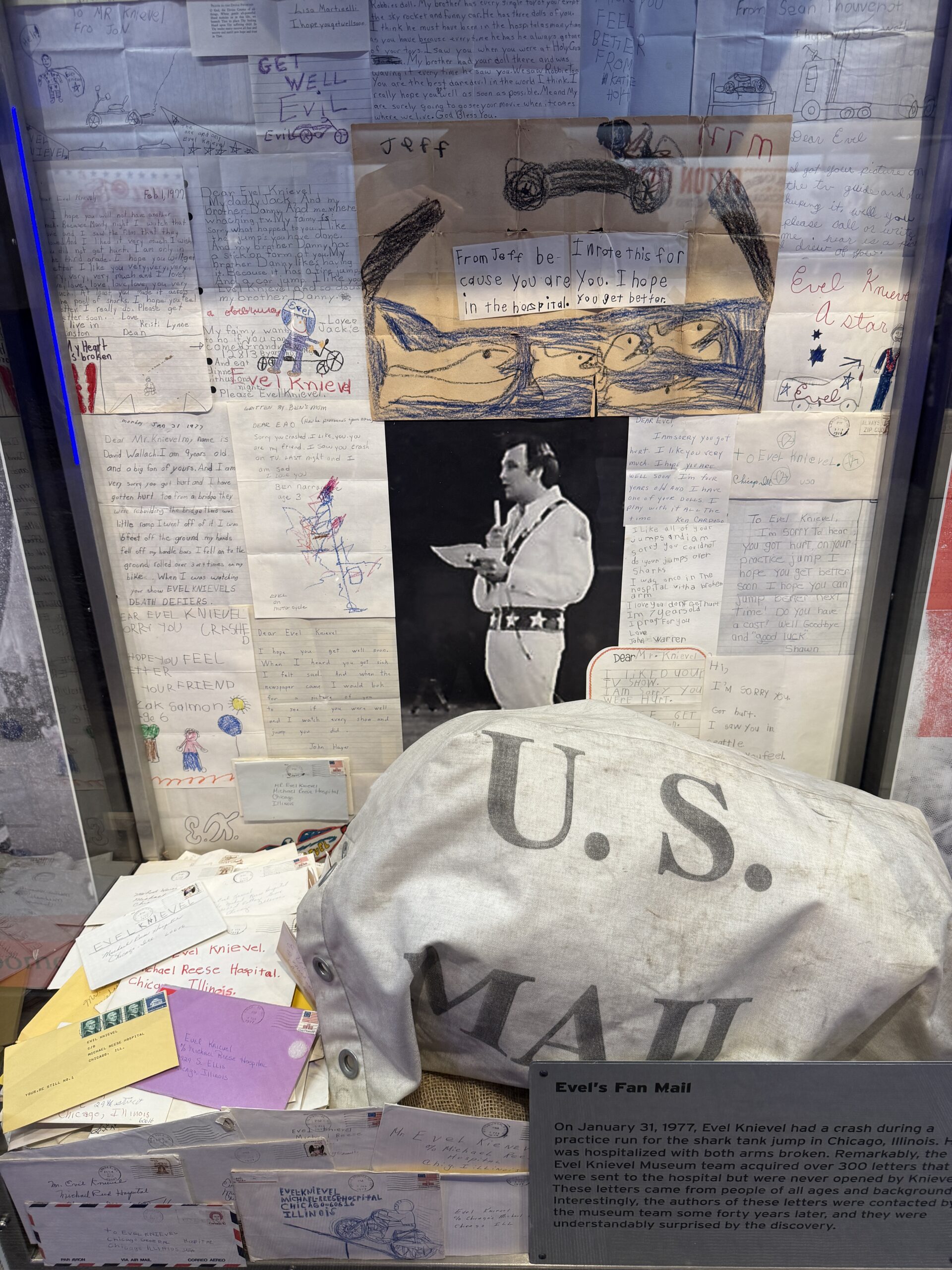
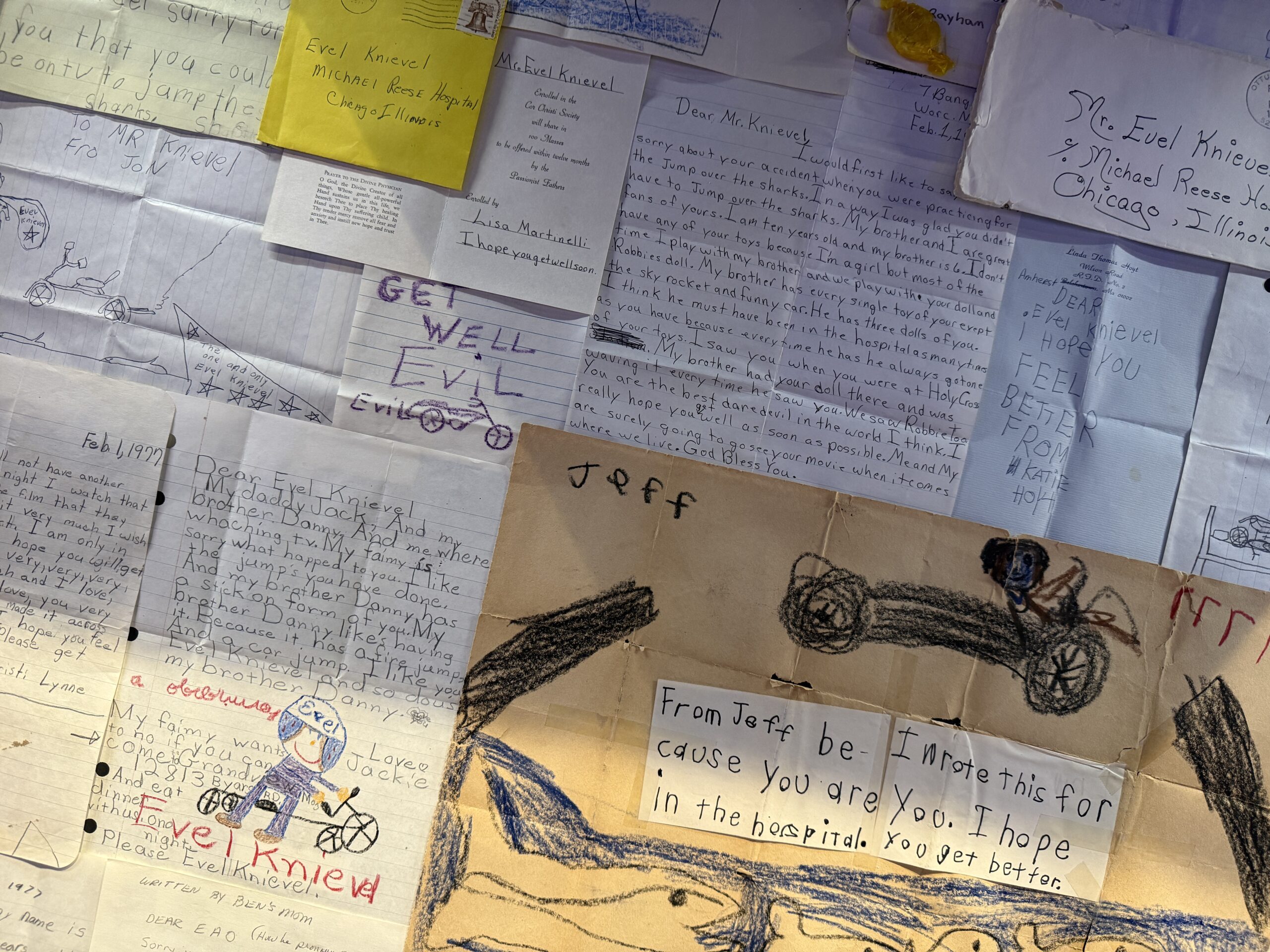
After a 1977 crash in Chicago, Evel was hospitalized with two broken arms, and the museum was able to acquire 300+ letters that were sent to him but were never opened (until now).
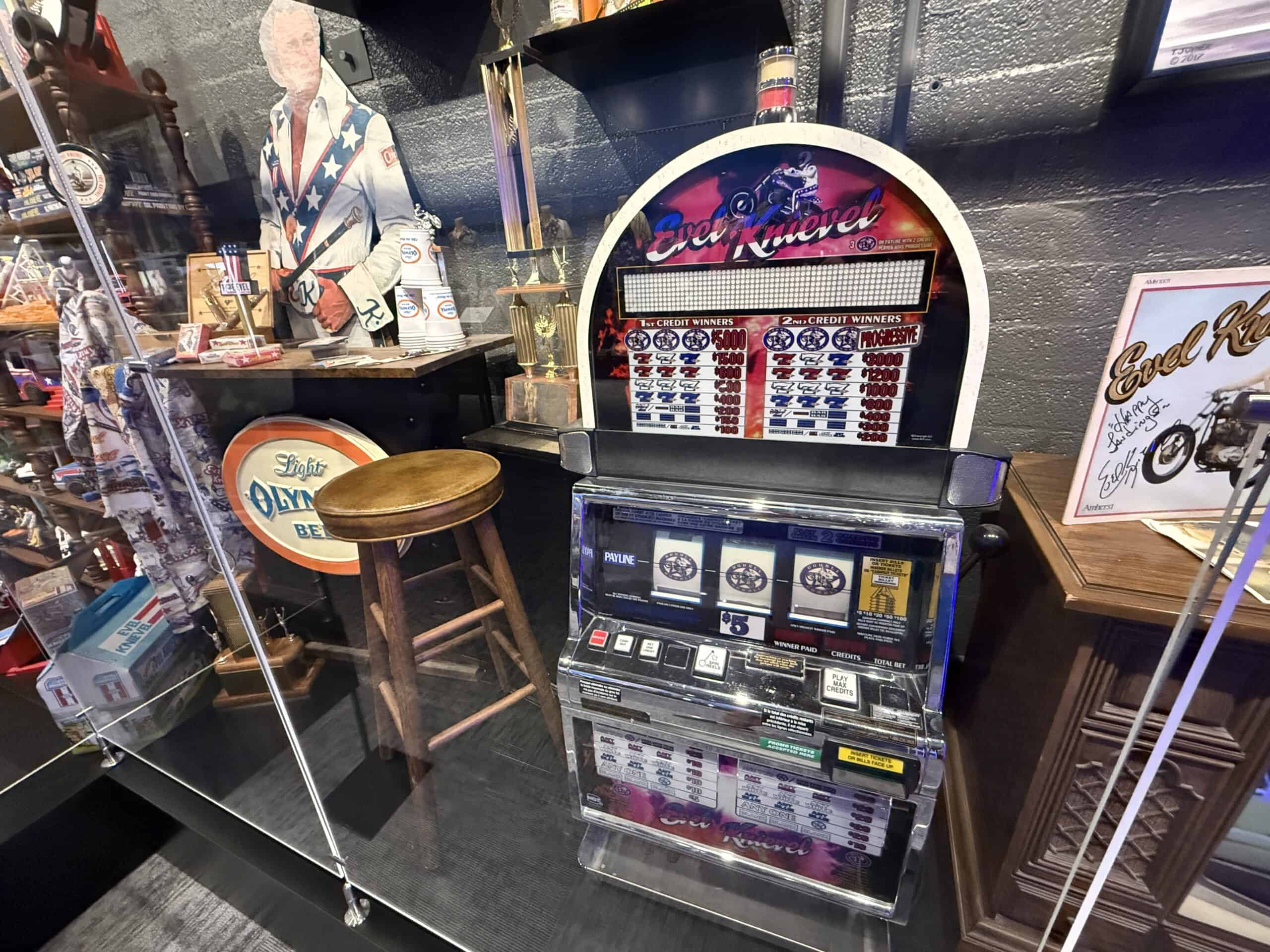
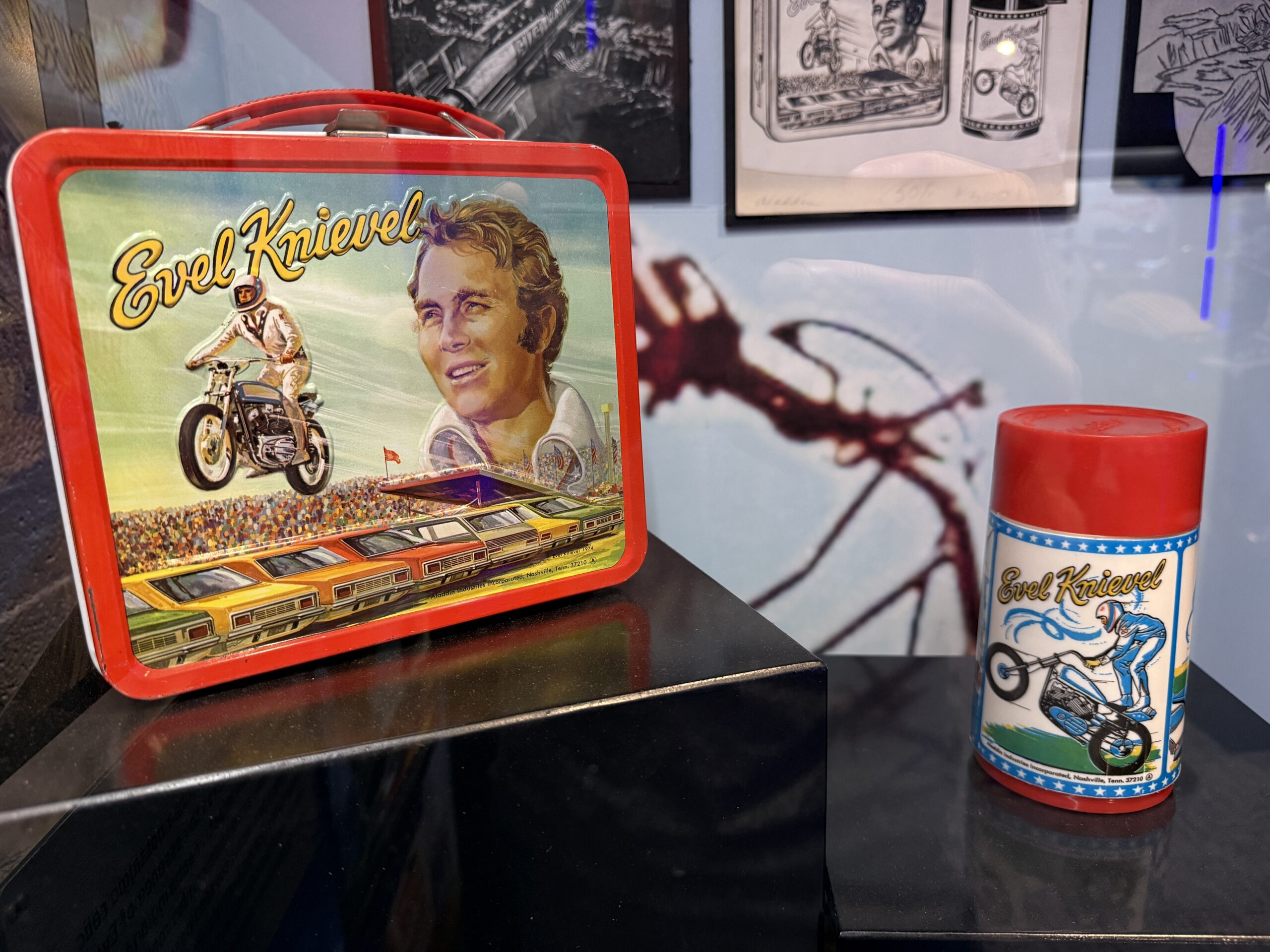
The museum had an entire section dedicated to Evel's impact on popular culture.
I knew he was popular, but I didn't realize just how popular he was.
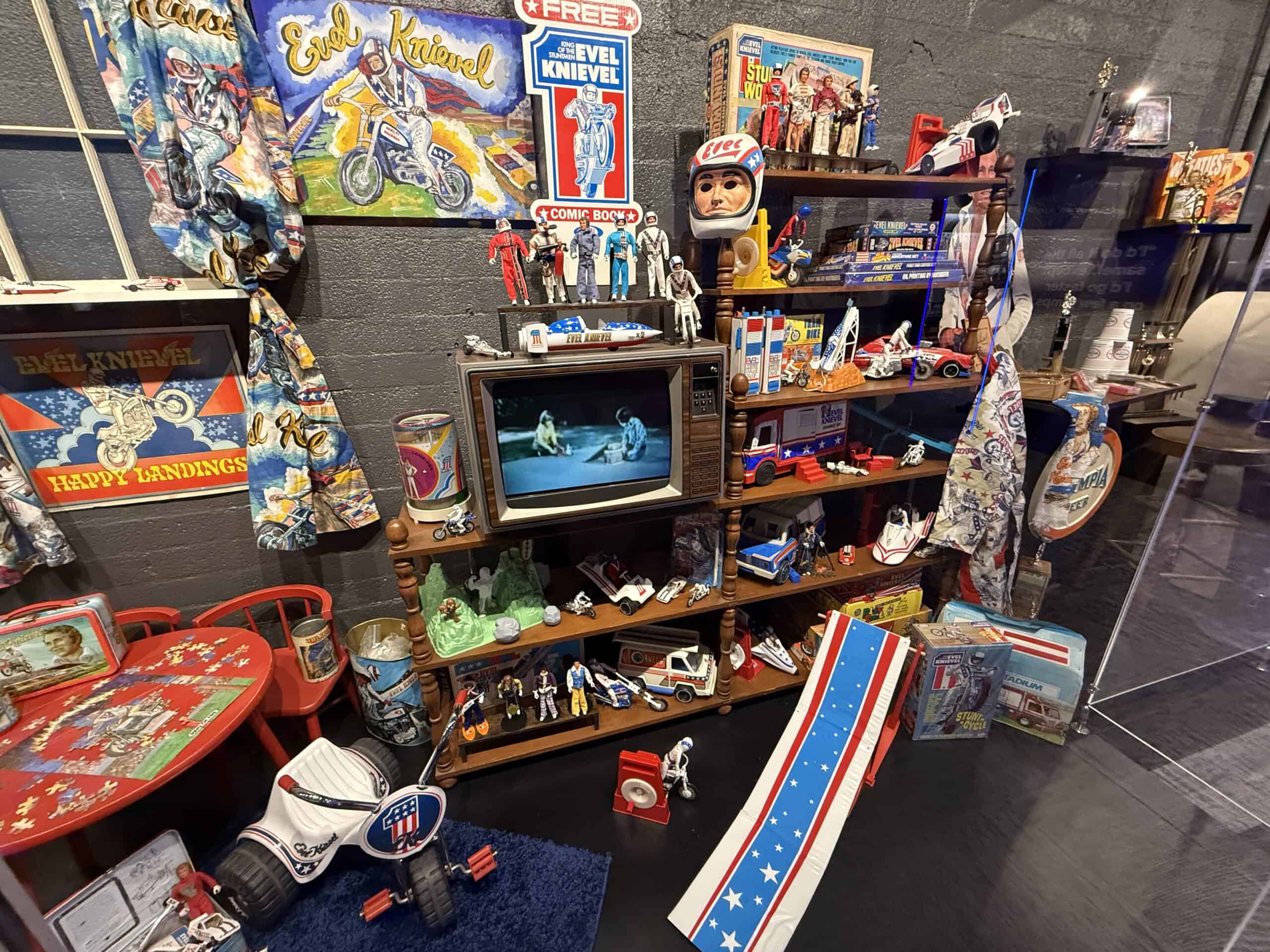
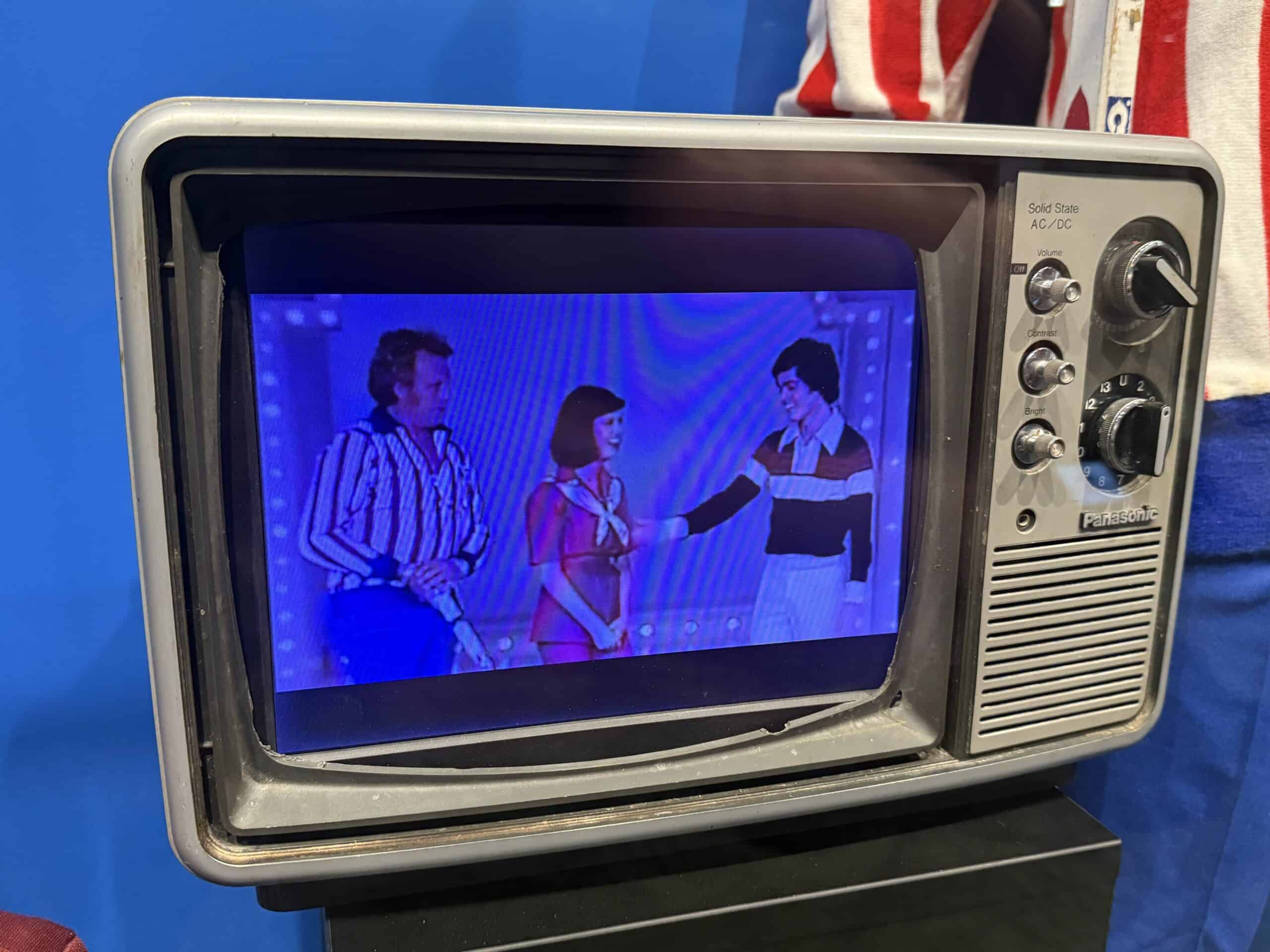
Some of his TV appearances were also played on old-timey-looking TVs.
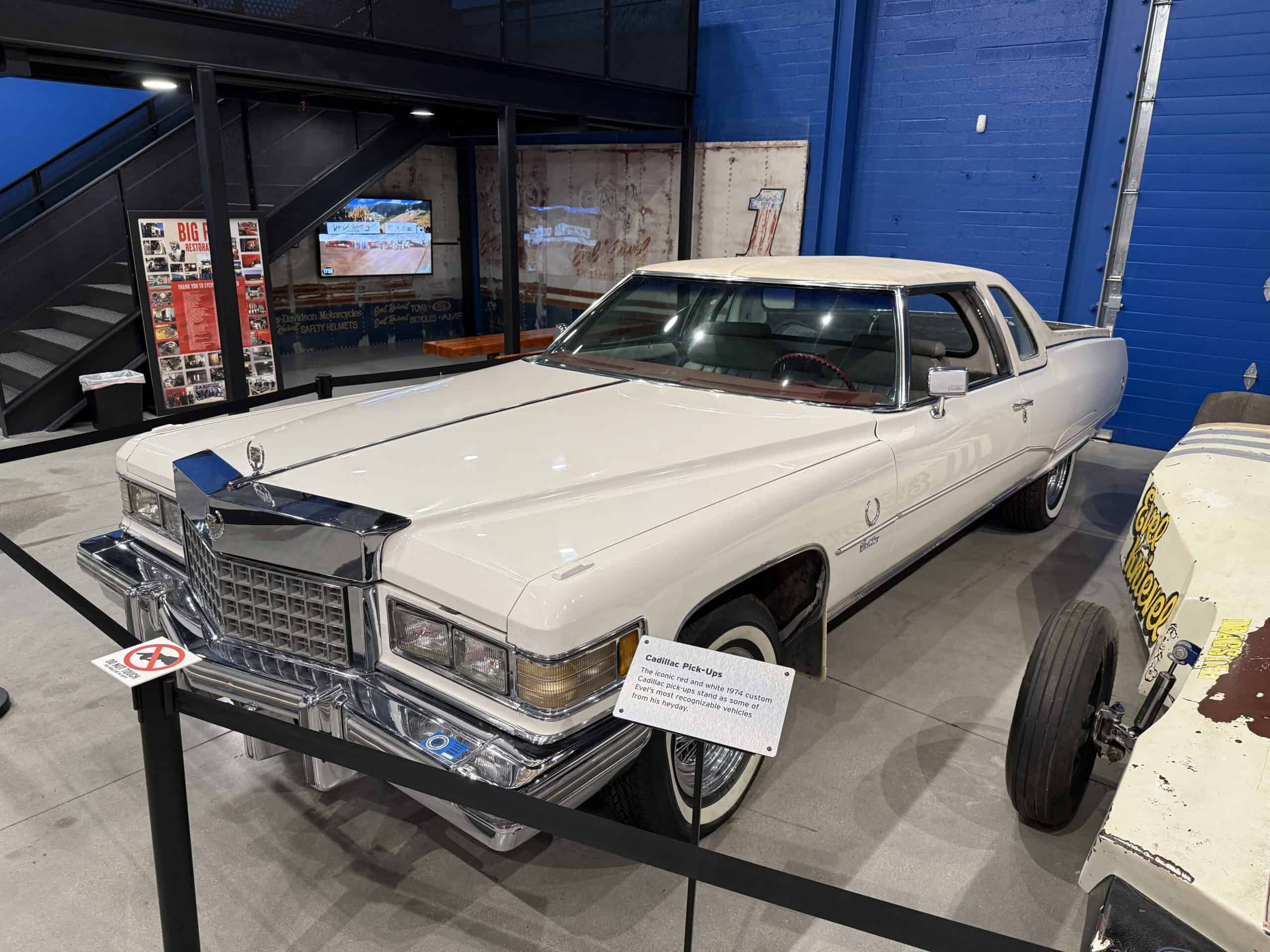
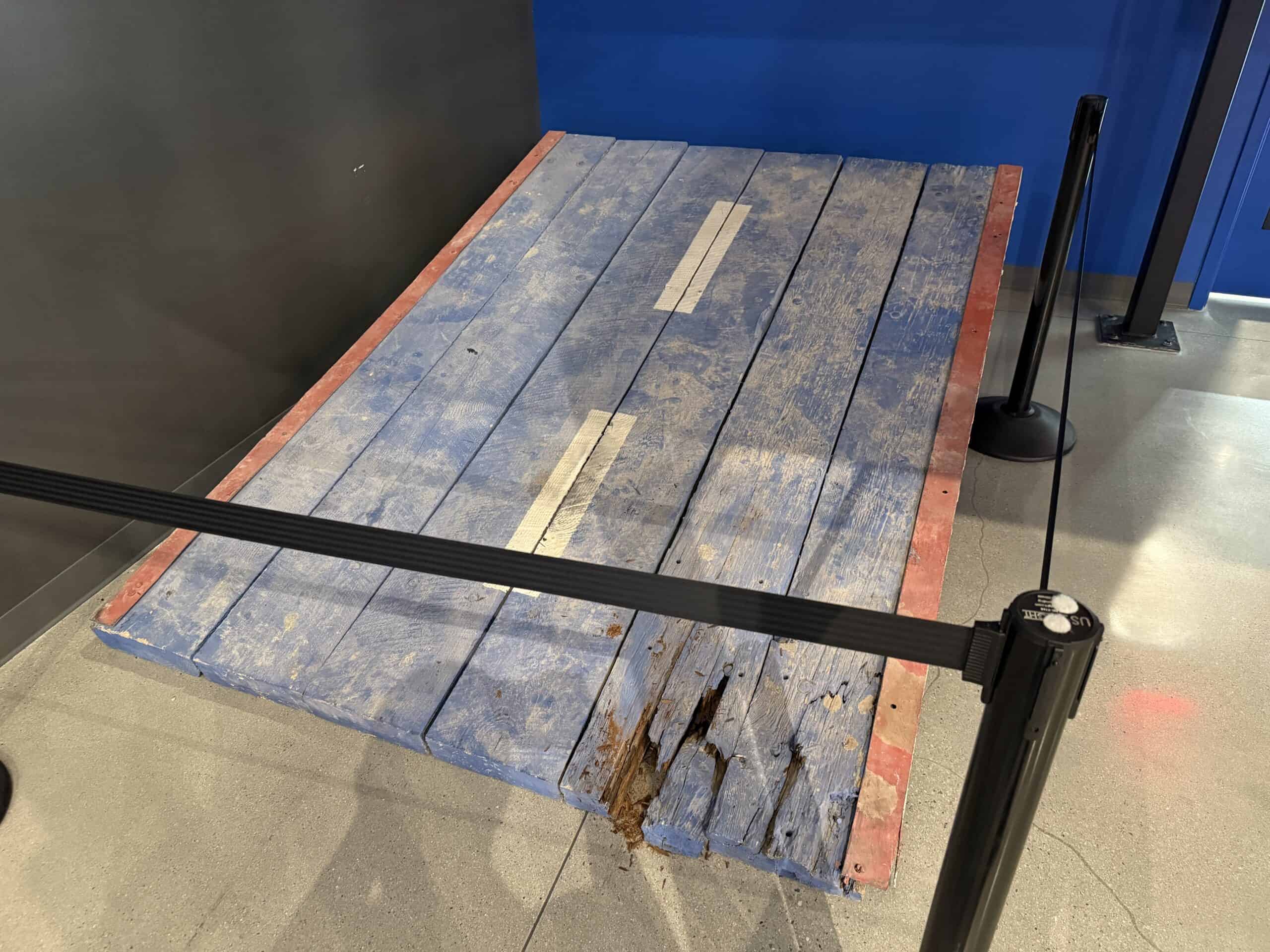
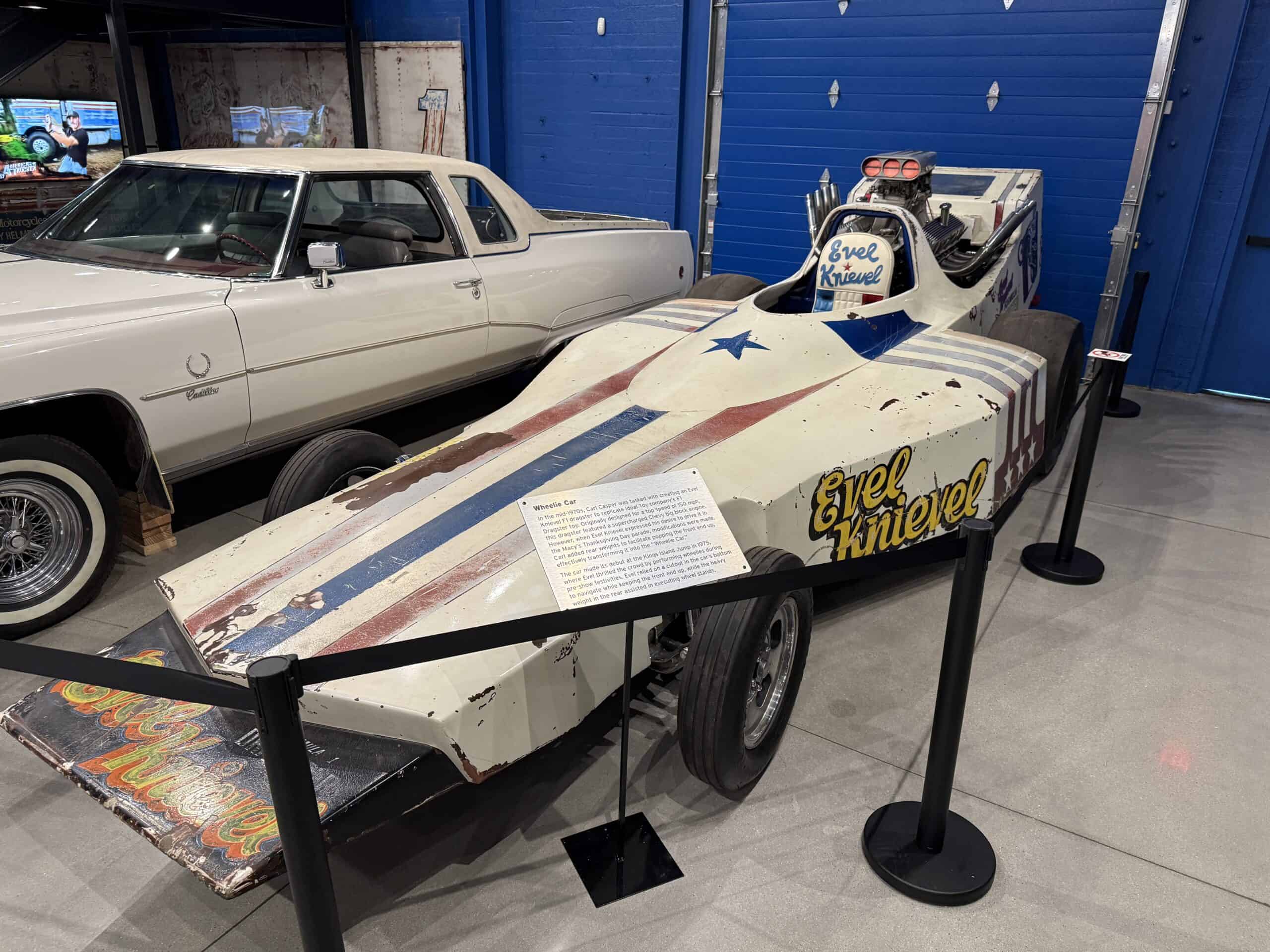
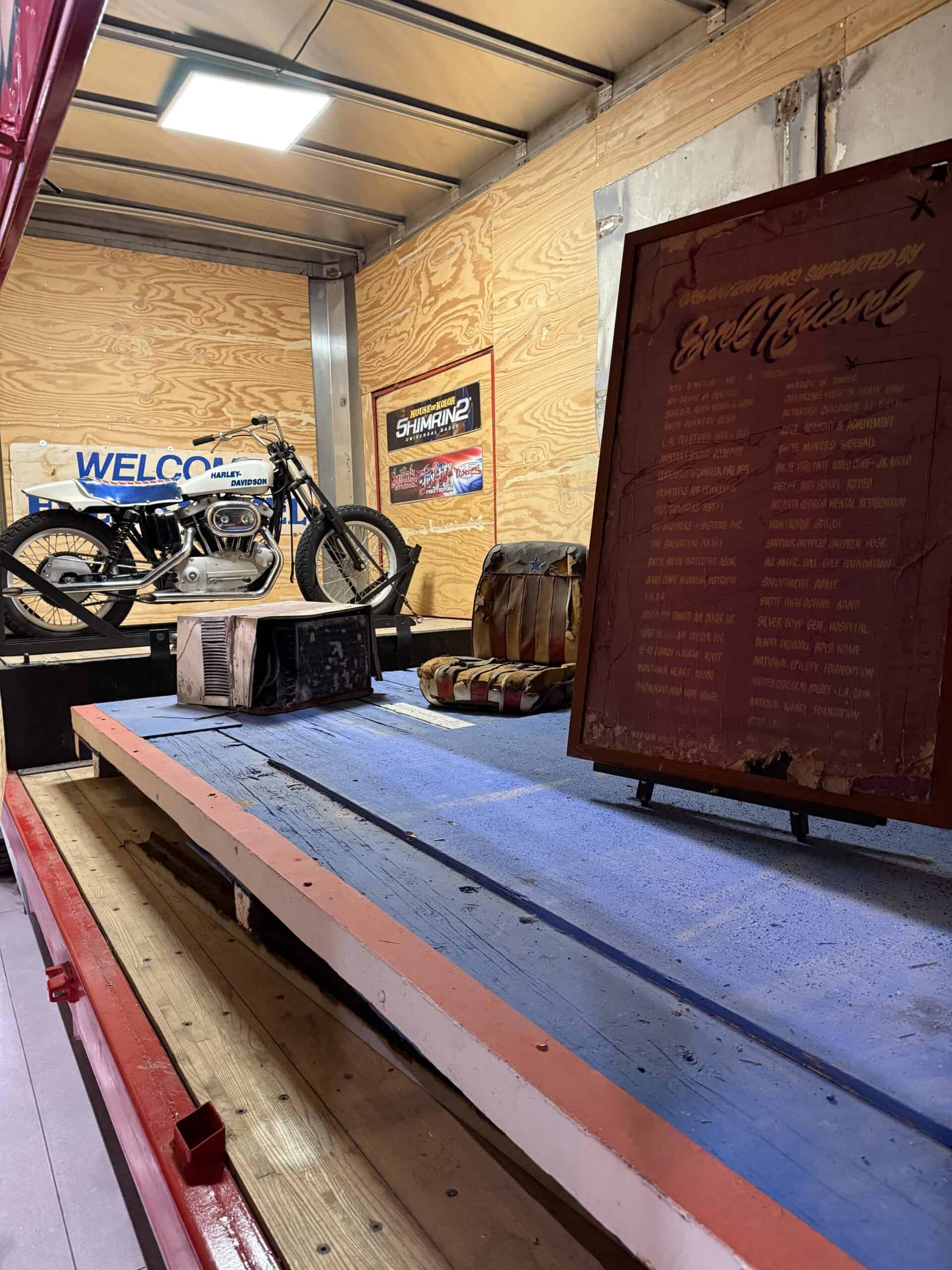
Part 2 of the museum was home to "big ticket" items like the Barris Trike, ramps that Evel used for his jumps, recovered from a field in Montana, a Snake River Canyon jump billboard that was featured on "American Pickers", and Big Red, his hauler and home on the road.
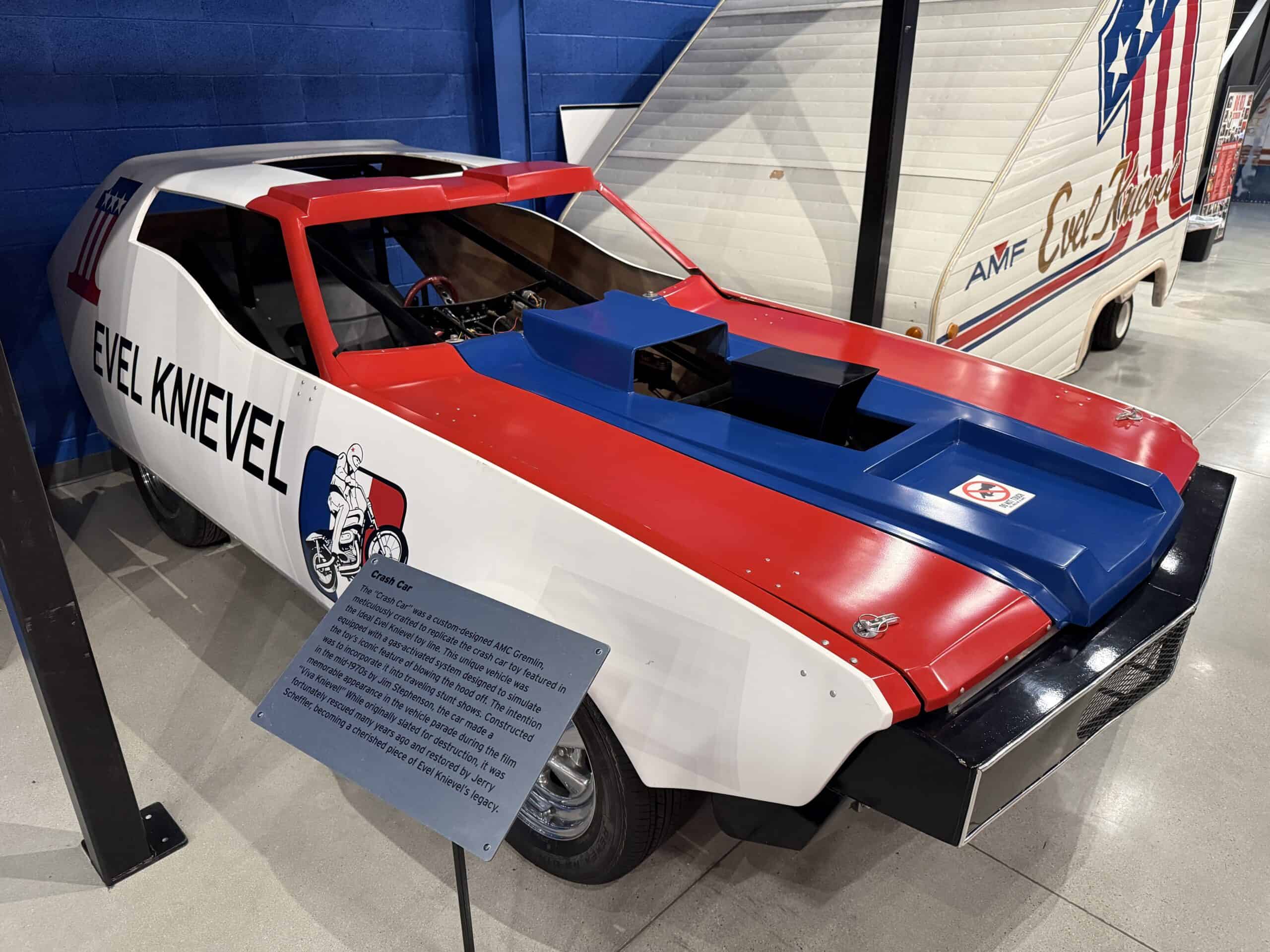
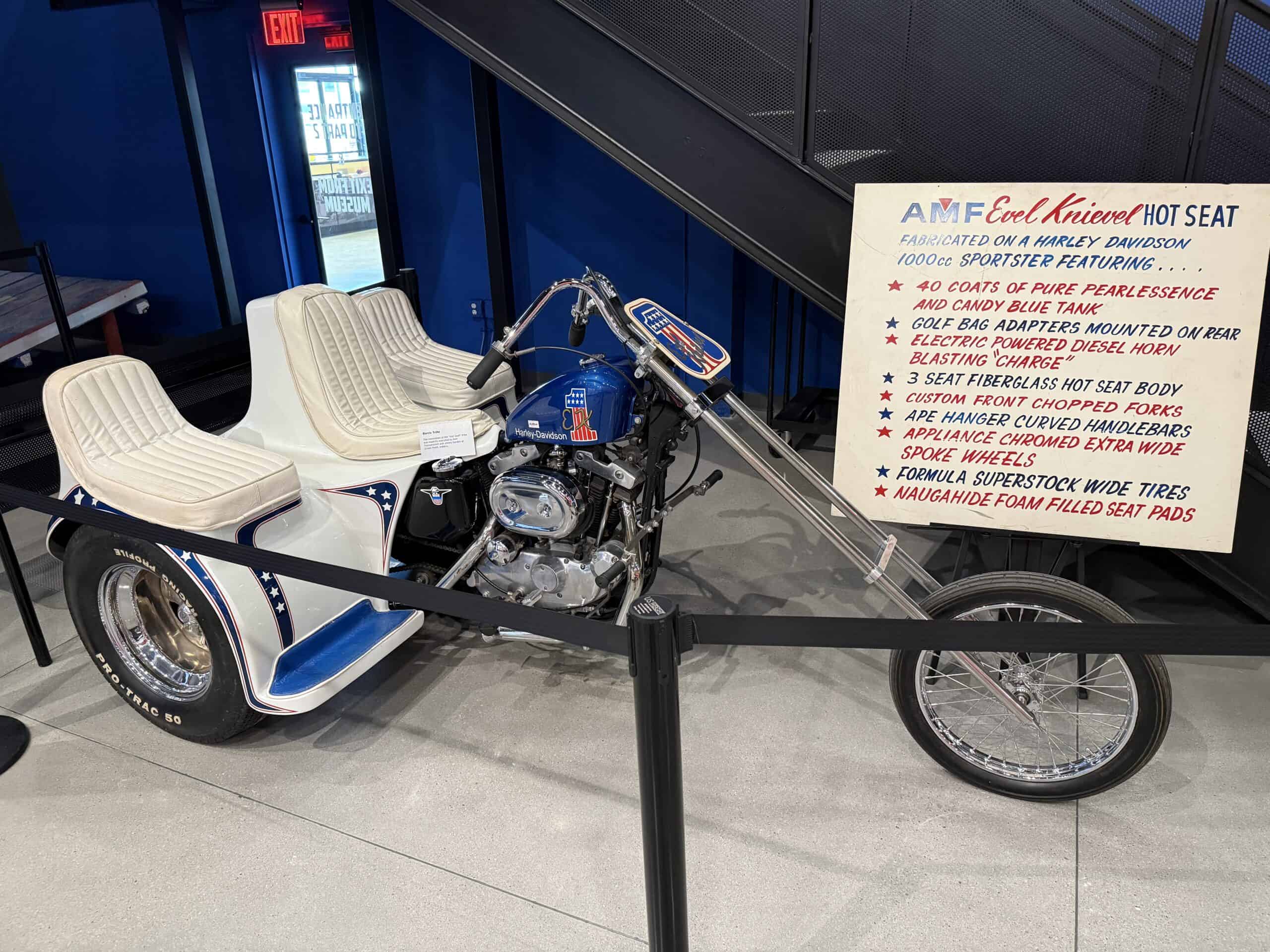
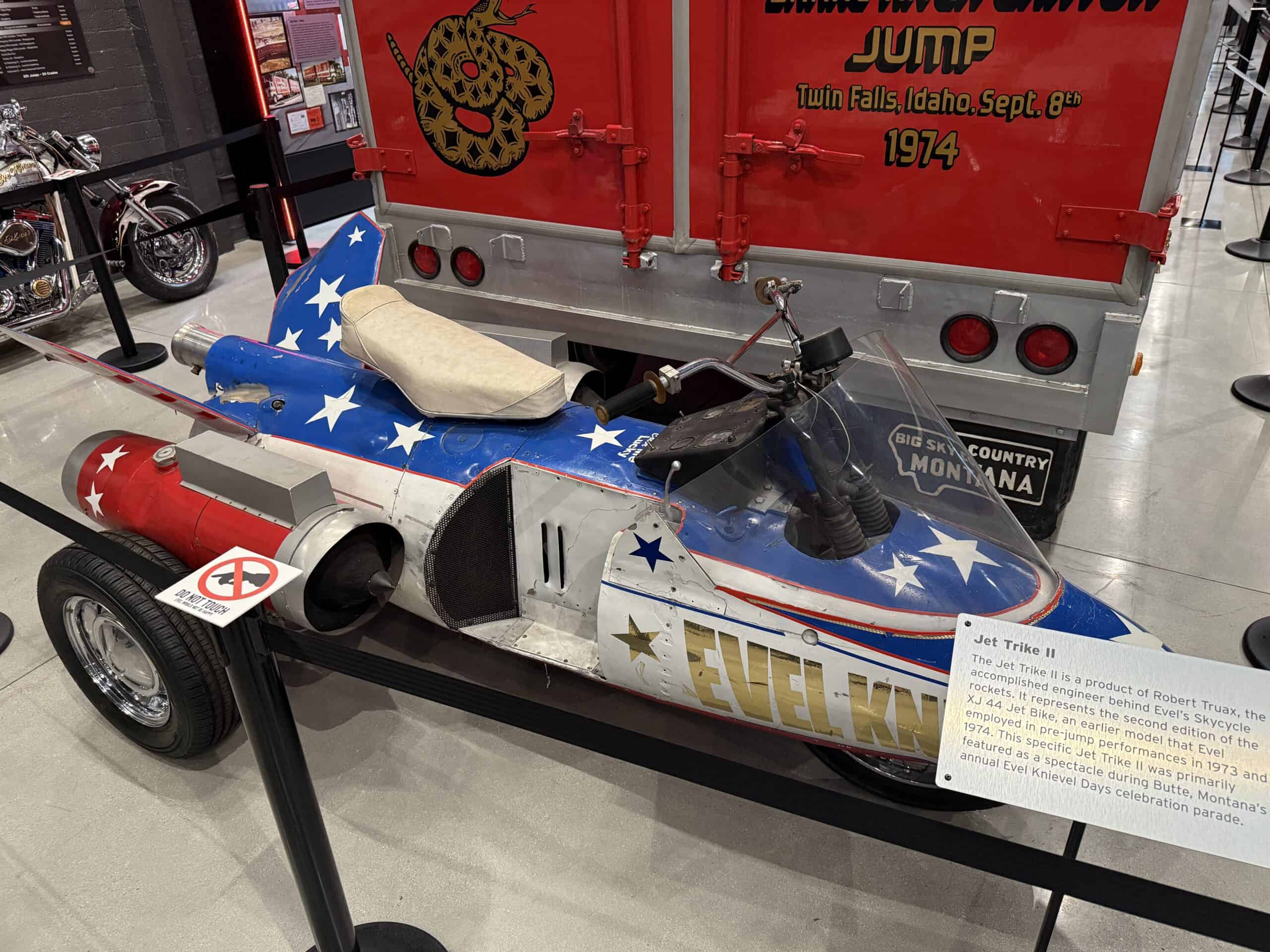
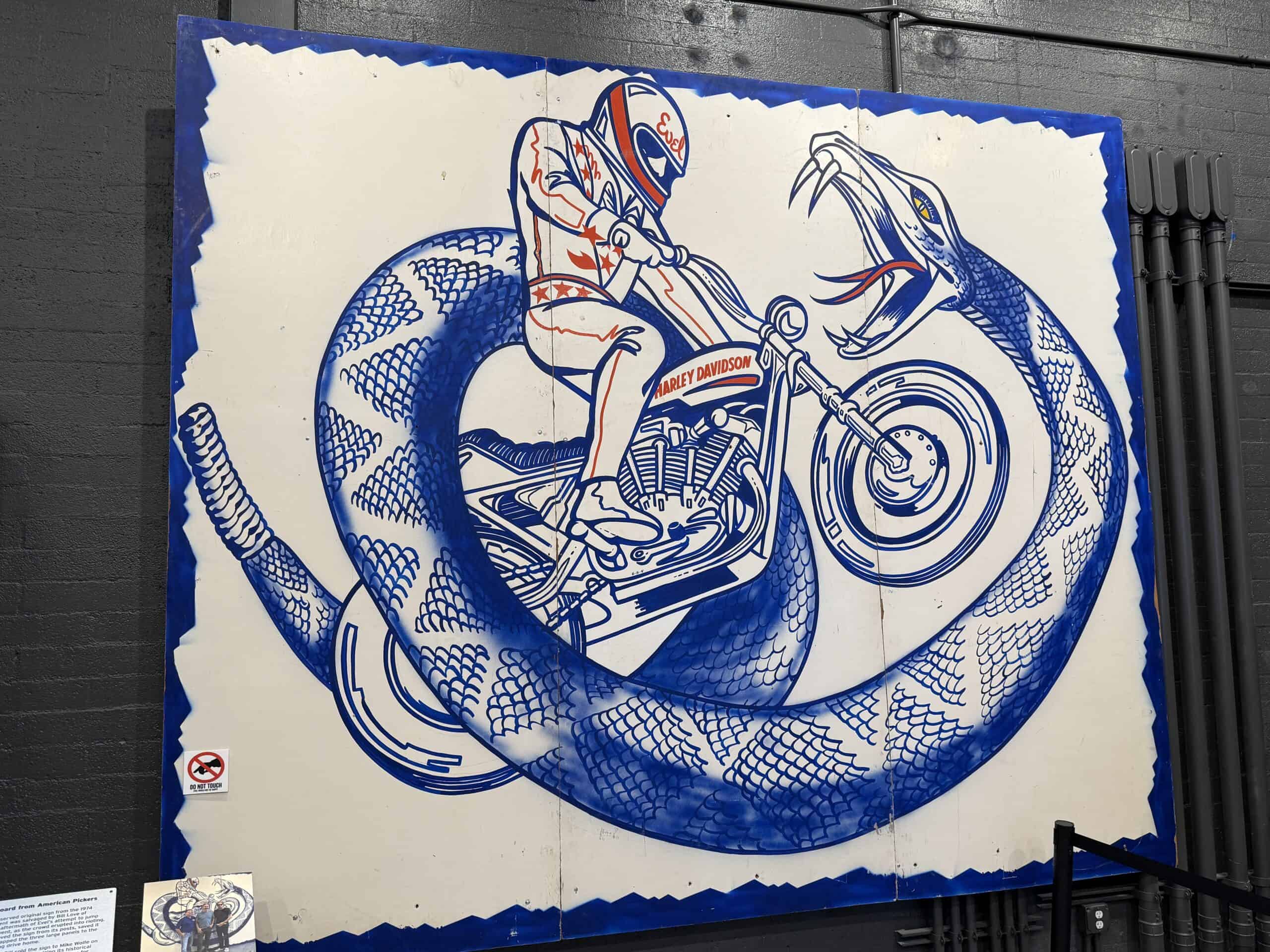
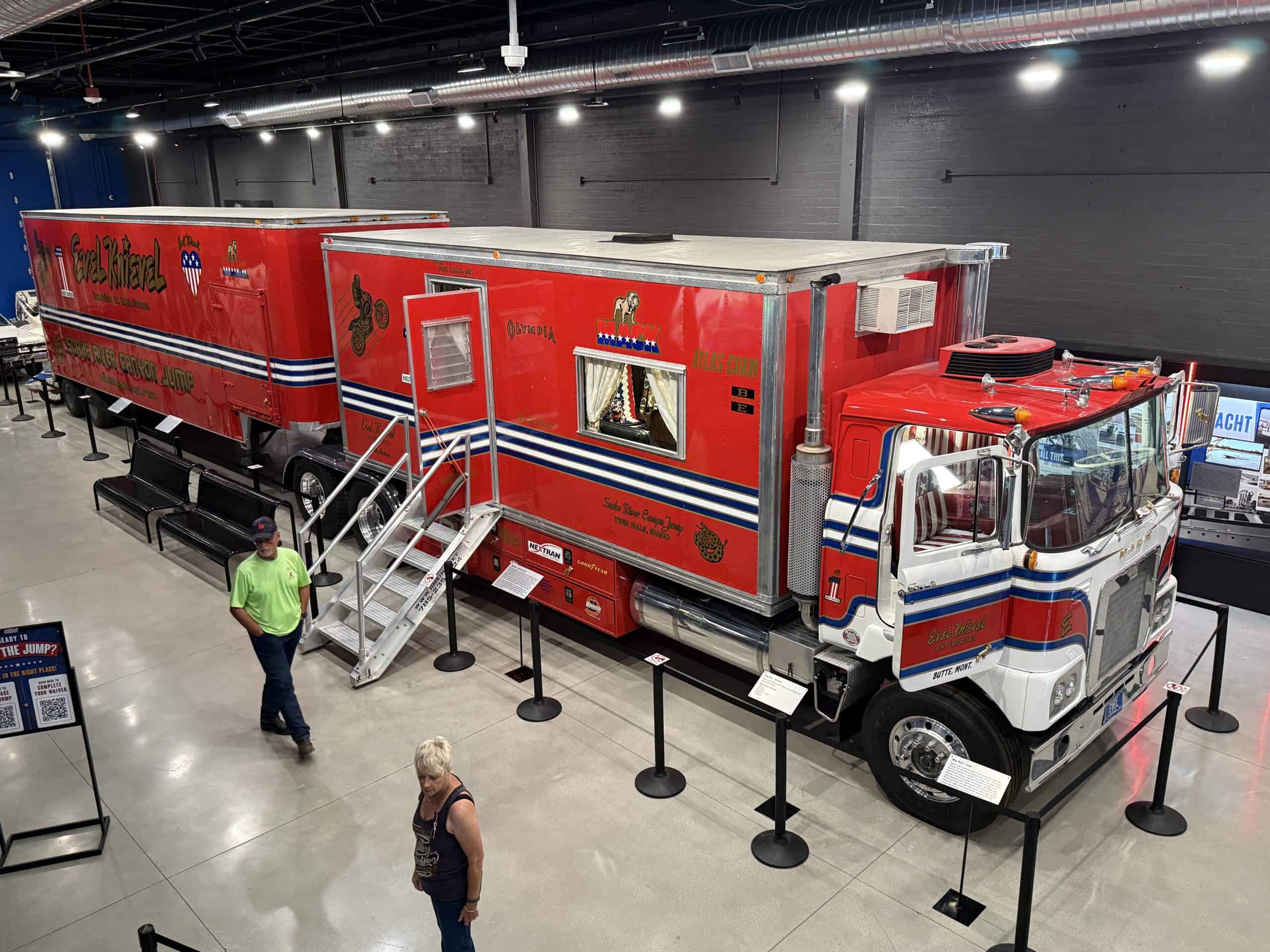
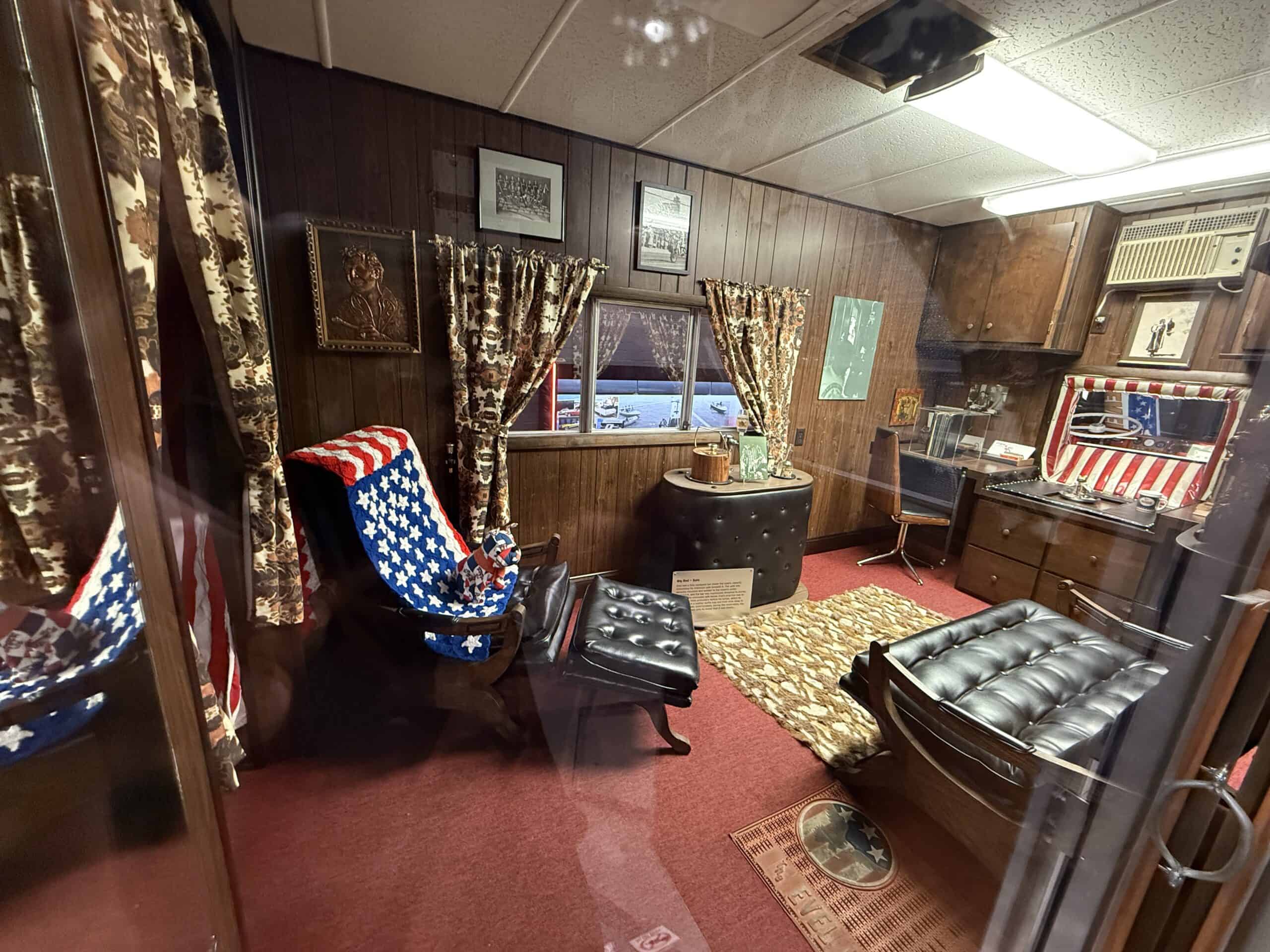
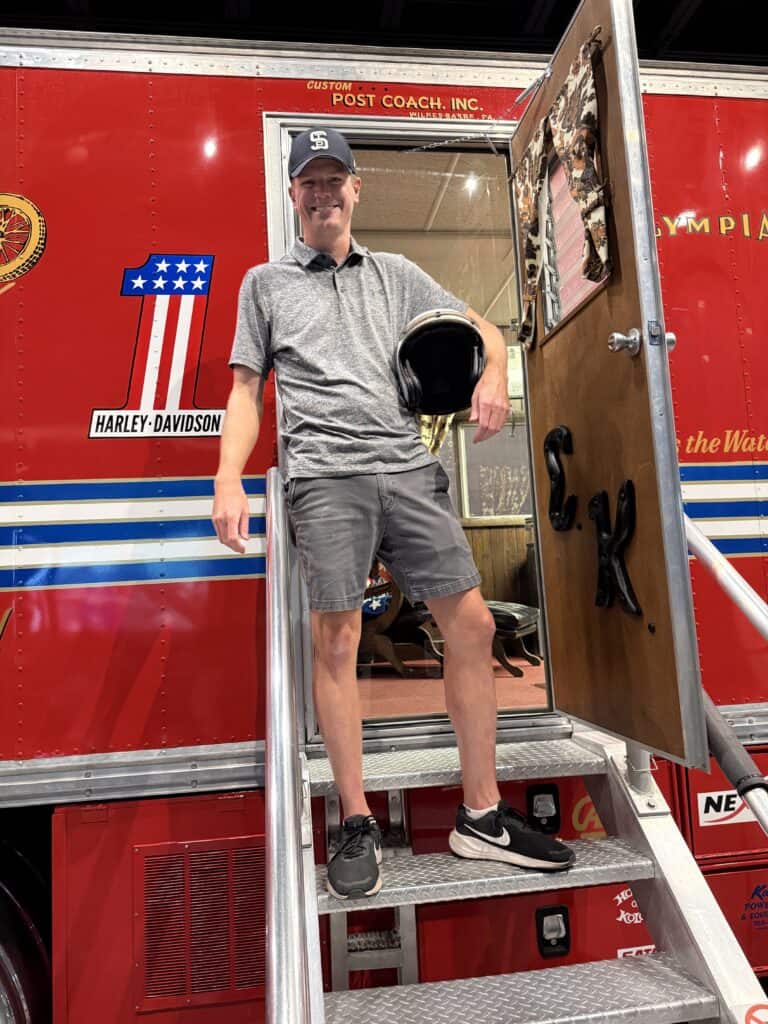
The most fascinating artifact in the enormous Part 2 warehouse area was Big Red, Evel's hauler and living quarters, which was found in Clearwater, FL, and restored for around $300,000.
You could even peek inside the cab & hauler.
What I loved most about the Evel Knievel Experience was the people who worked there.
The passion for the topic is so evident.
They love it so much and are dying to share it with you.
I felt welcome from the moment I walked through the door, and the guy manning part 2 was psyched to lead me around and explain the items on display.
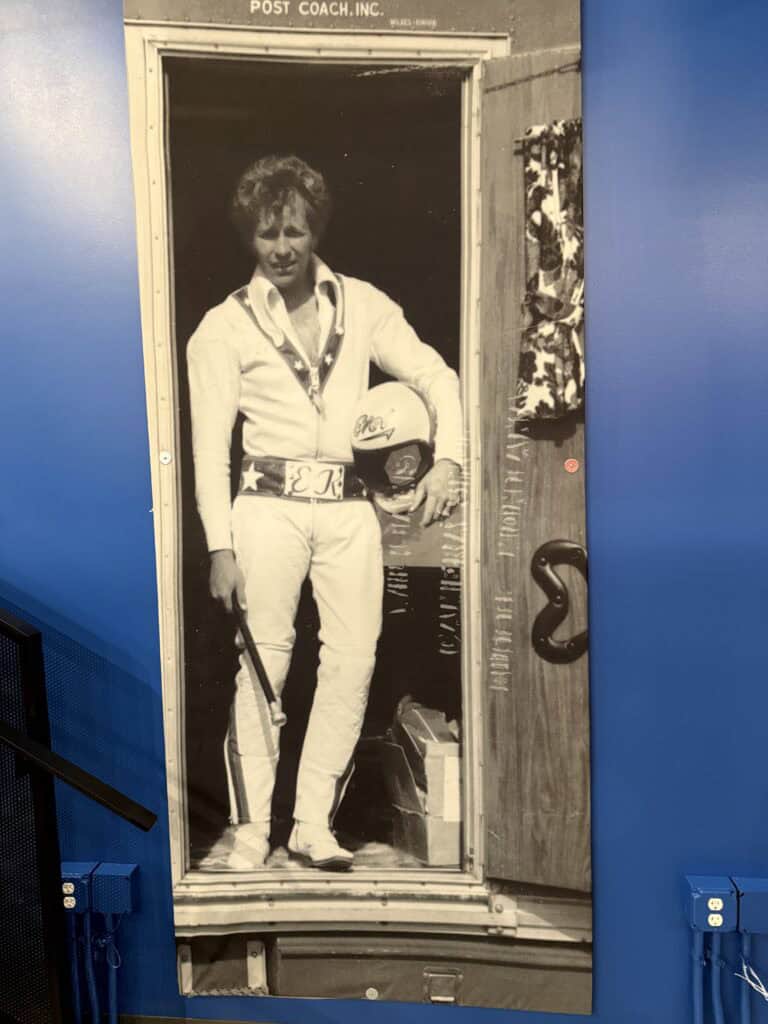
He's like, "Man, see the door on Big Red there? Evel stood right there!" (pointing to a pic of Evel standing right there) and added, "You HAVE to get a pic where Evel did!" (handing me a helmet to pose with).
So I did, haha.
The guy rocked.
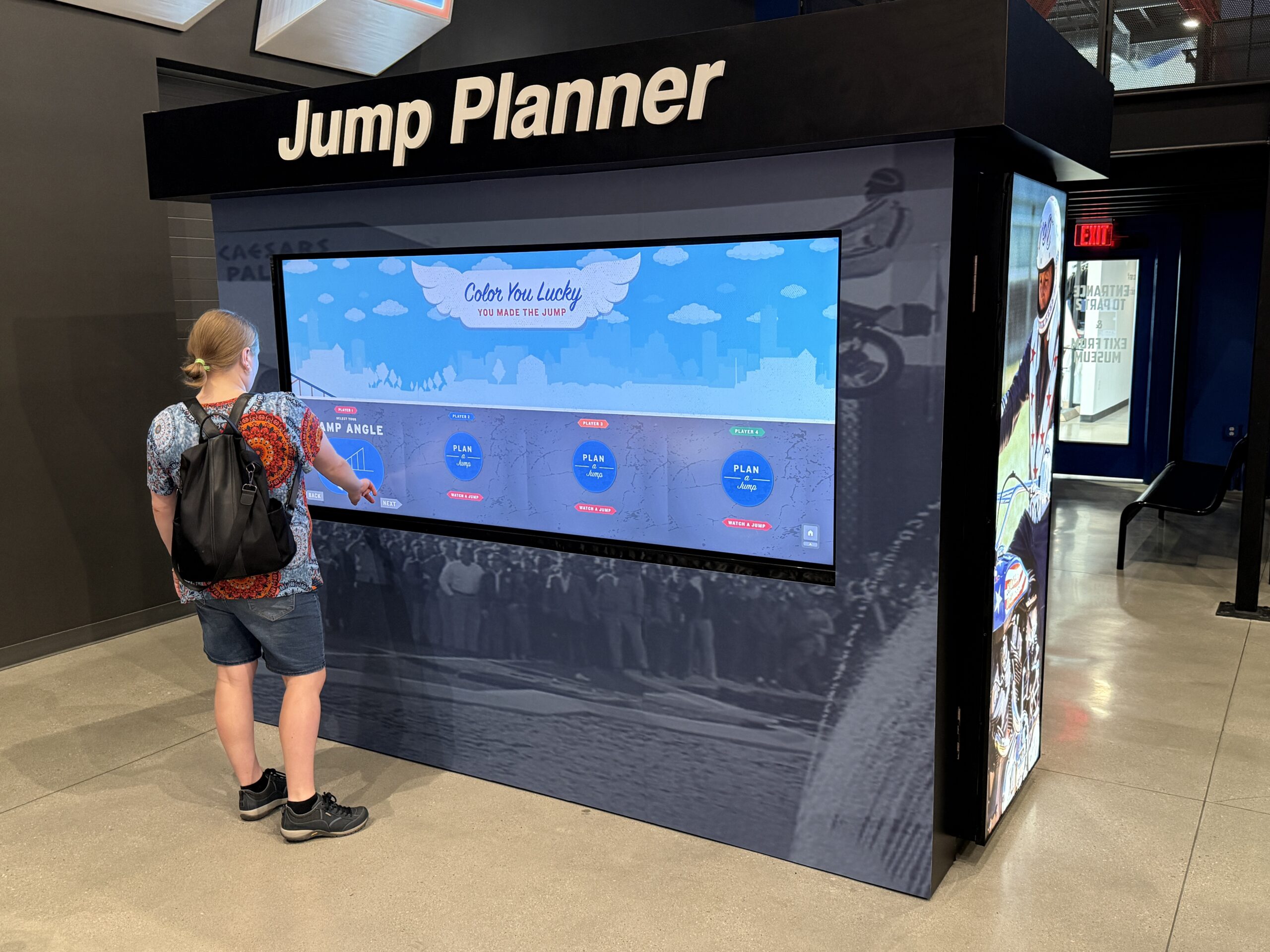
At the tail end of the attraction, there are also two flavors of jump simulators.
The free version lets you pick a motorcycle, choose what you want to jump, and set the speed you hit the jump at to see if you make it.
I tried it and honestly didn't find it all that compelling.
The other is a 4D virtual reality experience that costs an extra $15 and lets you take a realistic jump.
I wish I had given it a shot.
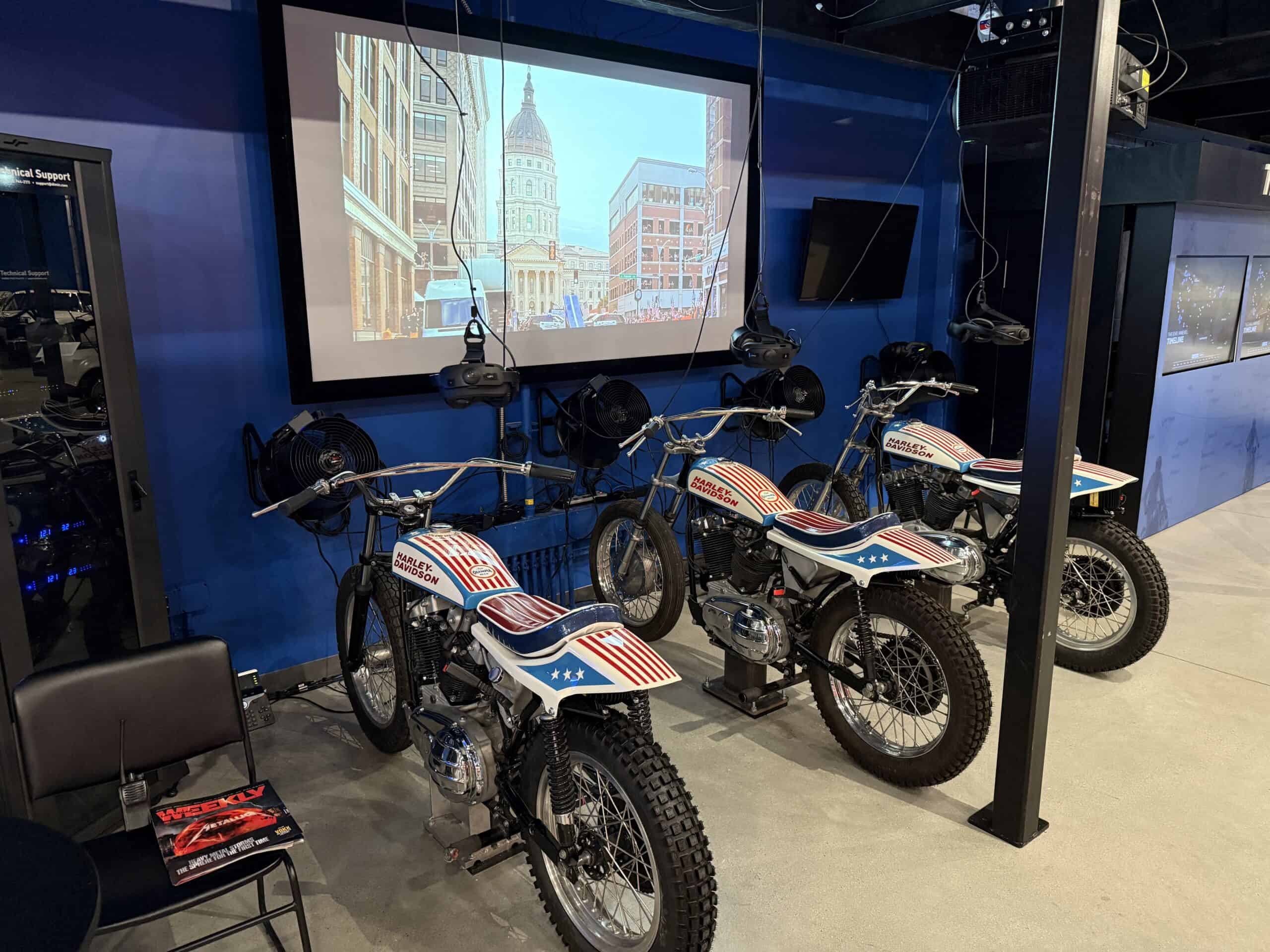
If I, someone who knew very little about Evel Knievel, enjoyed the museum as much as I did, I can only imagine those who grew up during his heyday will love it.
I've done damn near every museum in the Las Vegas area, and this is among the best.
They have an incredible assortment of artifacts and do a masterful job of telling the story.
$35 well spent.
Related Articles:
Things To Do in the Las Vegas Arts District (near this!)

I’m a former software salesman turned Vegas aficionado. While the craps table is my preferred habitat, I pull myself away to explore new attractions, shows, restaurants, and outdoor activities around Las Vegas with the intent of sharing my experiences.
Ultimately, I just want to help folks plan a better trip and save a few bucks in the process.